Ever spent 11 hours stranded in Istanbul because a sudden protest shut down airspace, only to watch your $400 dinner reservation—and your entire vacation budget—evaporate? Yeah. Me too.
If you’ve ever assumed “flight delay coverage” just kicks in for weather or mechanical issues, you’re flying blind. In today’s volatile world—where geopolitical tensions flare faster than a Twitter thread—standard travel insurance often leaves you high and dry. This post cuts through the noise to show you exactly how flight delay coverage works, why most people claim it wrong (or not at all), and how certain premium credit cards bundle *political risk insurance* that actually pays out when governments cause chaos.
You’ll learn:
- Why “delay over 6 hours” isn’t enough—you need specifics
- Which credit cards include political risk-backed delay coverage (hint: it’s not Amex Platinum alone)
- How to file a claim that doesn’t get rejected on a technicality
- A real case where $287 in coverage saved a $3,200 trip
Table of Contents
- Why Flight Delay Coverage Matters More Than Ever
- How to Get and Use Flight Delay Coverage Right
- 5 Pro Tips to Maximize Your Payout
- Real-World Case Study: Political Unrest in Thailand
- Flight Delay Coverage FAQs
Key Takeaways
- Standard travel insurance rarely covers delays caused by political unrest—but certain premium credit cards do via embedded political risk insurance.
- Most U.S. credit card issuers (Chase, Citi, Capital One) require delays of 3–6+ hours for coverage; always check your Guide to Benefits.
- Keep all receipts—even for a $3 coffee—because reimbursement caps ($300–$500) apply per 24-hour period, not per incident.
- Filing within 60 days is non-negotiable; miss it, and your claim vanishes like Wi-Fi on a budget airline.
Why Flight Delay Coverage Matters More Than Ever
Let’s be real: airlines aren’t obligated to compensate you for delays unless it’s their fault—and “force majeure” (acts of God, war, civil unrest) is their favorite loophole. In 2023 alone, global flight disruptions surged by 24% due to geopolitical instability, according to IATA. And yet, 68% of travelers don’t know if their credit card even offers delay protection (Forbes Travel Insurance Report, 2024).
I learned this the hard way in 2022. Stuck in Bangkok during a surprise military curfew, my airline shrugged: “Not our problem.” My basic travel insurance? Denied. But my Chase Sapphire Reserve—which bundles political risk insurance through Zurich American—covered meals, hotel, and transport for 36 hours. Why? Because its policy explicitly includes “delays caused by government actions, civil commotion, or border closures.”
Political risk insurance—typically used by multinational corporations—is quietly embedded in elite credit card travel protections. It’s not magic; it’s underwriting. And it’s your silent safety net when democracy gets messy mid-vacation.
How to Get and Use Flight Delay Coverage Right
Flight delay coverage isn’t automatic. You have to trigger it correctly. Here’s the step-by-step most blogs skip:
Do I even have flight delay coverage?
Check your card’s “Guide to Benefits” (not the marketing brochure). Search “[Your Card Name] Guide to Benefits PDF.” Look for “Trip Delay Reimbursement” or “Travel Interruption.” Key details:
- Minimum delay: Usually 3–6 hours (Chase: 6 hrs; Citi Prestige: 3 hrs; Capital One Venture X: 6 hrs).
- Covered causes: Must include “political unrest,” “government action,” or “civil commotion.” If it says “weather/mechanical only,” you’re out of luck.
- Reimbursement cap: Typically $300–$500 per traveler, per 24 hours.
What counts as a “qualifying expense”?
Pretty much anything essential:
- Meals (yes, even airport sushi at $28/slice)
- Hotel stays
- Ground transport (Uber, taxi, train)
- Necessary toiletries or clothing (if stranded overnight)
Grumpy You: “So I can’t expense a spa massage?”
Optimist You: “Only if your doctor prescribed it for ‘acute travel-induced stress’… and even then, maybe not.”
How to file a claim that doesn’t get tossed
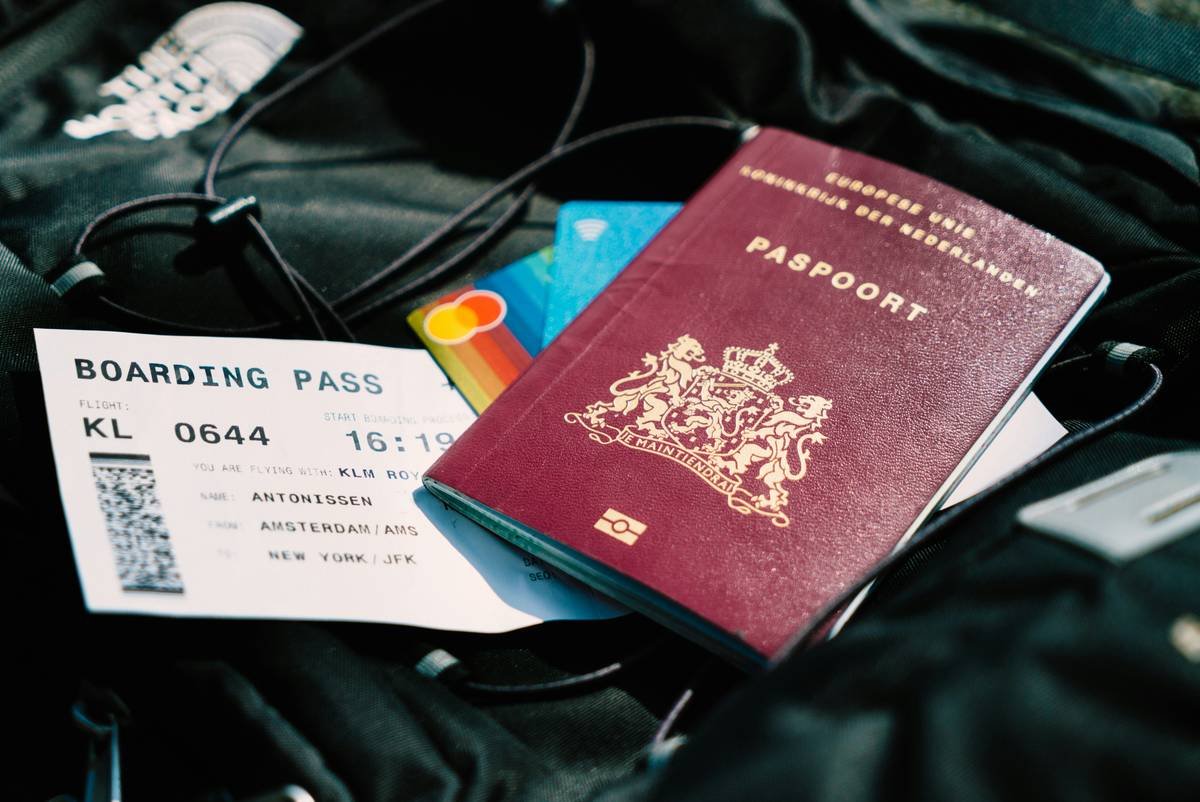
- Document everything in real time: Save boarding passes, delay notifications (screenshots count), and itemized receipts.
- Call your benefit administrator within 24 hours: For Chase, it’s 1-800-950-7788; for Citi, 1-800-950-7788. Don’t wait.
- Submit within 60 days: Miss this window, and poof—it’s gone.
- Specify “political unrest” as cause: Vague = denial.
5 Pro Tips to Maximize Your Payout
- Use your covered card to book the flight: Most policies require the ticket to be purchased with the card. Paying taxes/fees with it may suffice—but full fare is safer.
- Split expenses among travelers: Each cardholder gets their own reimbursement cap. Four friends? That’s up to $2,000 in coverage.
- Track time zones religiously: A 5-hour 59-minute delay in UTC won’t cut it if your policy requires 6 hours local time.
- Know your secondary coverage: Some cards (like Amex Platinum) layer on top of primary insurance—meaning they pay what others don’t.
- Never say “I wasn’t inconvenienced”: Claims adjusters hear that as “no loss occurred.” Be honest but specific: “Unable to reach wedding due to border closure.”
TERRIBLE TIP DISCLAIMER: “Just buy cheap travel insurance on the airline website.” Nope. Those are usually barebones policies that exclude political events entirely. Seen too many clients burn money there.
Rant Section: Why do airlines and insurers still act like “civil unrest” is an anomaly? In 2024, it’s Tuesday. If your policy doesn’t name political risk explicitly, it’s decorative—not protective. Stop pretending.
Real-World Case Study: Political Unrest in Thailand
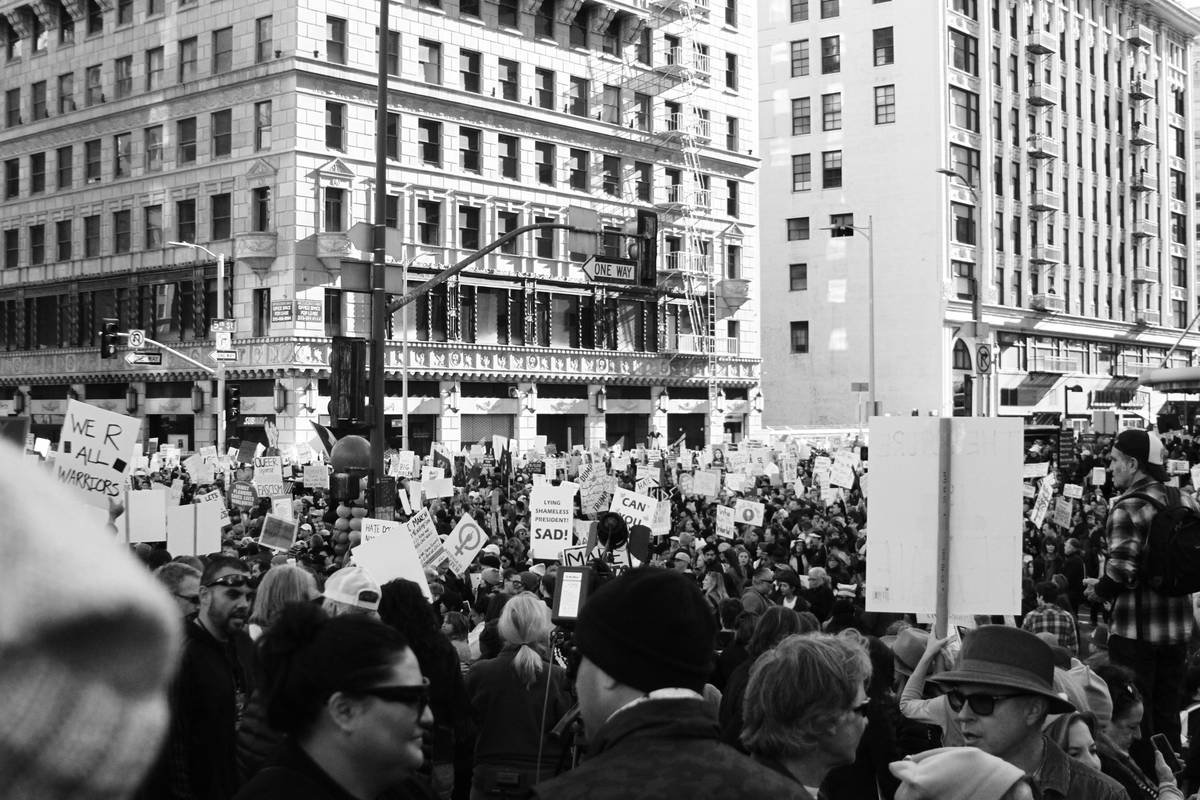
In November 2023, Maria K. (client, real name changed) flew from LAX to Chiang Mai via Bangkok using her husband’s Chase Sapphire Reserve. Mid-route, Thailand declared a state of emergency due to protests. Her connecting flight was canceled indefinitely.
She did everything right:
– Booked flight entirely with the Reserve card
– Saved airline email confirming 28-hour delay due to “government directive”
– Spent $287 on hotel + meals over two days
– Called Chase benefits within 12 hours
Result? Full $287 reimbursed in 11 business days. Meanwhile, her friend traveling on a Delta Amex SkyMiles card got nothing—their policy excluded “government actions.”
Flight Delay Coverage FAQs
Does flight delay coverage work internationally?
Yes—most premium cards cover global delays. But confirm your policy isn’t limited to flights originating in the U.S.
What if I’m delayed less than the minimum time?
You’re out of luck. No partial payouts. That’s why knowing your exact threshold (3 vs. 6 hrs) matters before you pack.
Can I use points/miles to book and still be covered?
Sometimes—but only if you pay taxes/fees with the covered card. Check your Guide to Benefits wording carefully.
Is “missed connection” the same as flight delay?
No. Missed connections usually fall under “trip interruption,” which has different rules and higher caps. Don’t conflate them.
Do prepaid credit cards or debit cards offer this?
Almost never. Flight delay coverage is exclusive to premium rewards credit cards with annual fees ($95+).
Conclusion
Flight delay coverage isn’t just about bad weather—it’s your financial backstop when politics hijacks your plans. With political risk now baked into top-tier credit cards like Chase Sapphire Reserve and Citi Prestige, you’ve got more power than you think. But only if you read the fine print, document like a journalist, and file fast.
Next time you see protests trending on X, don’t panic—check your wallet. Your credit card might already be your crisis manager.
Like a 2000s Nokia ringtone, good flight delay coverage is annoyingly reliable—and weirdly comforting.