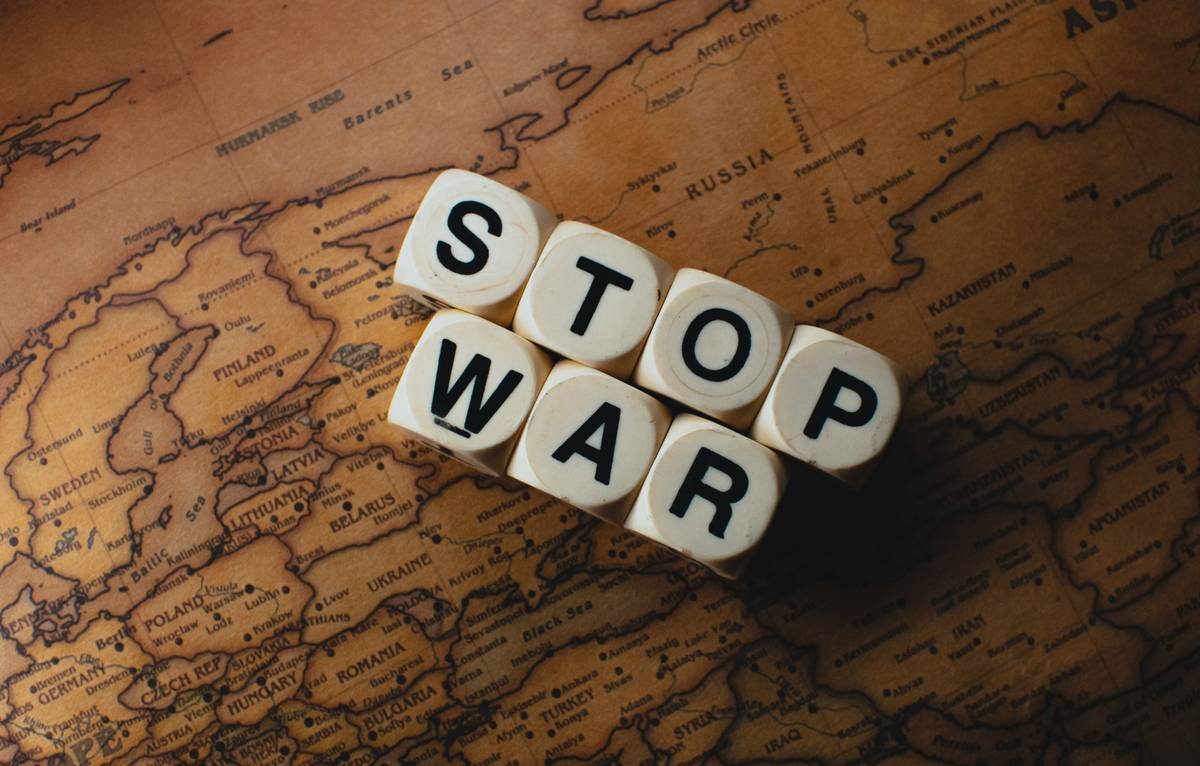
Ever landed in a foreign capital only to find airports shuttered, protests erupting on major boulevards, and your “comprehensive” credit card travel insurance denying your claim? You’re not alone. In 2023, the U.S. State Department issued over 170 country-specific travel advisories—many tied to political instability—and yet, fewer than 12% of premium credit cardholders knew their travel insurance explicitly excluded “political risk.”
If you’ve ever swiped your Amex or Chase card thinking you’re covered while globetrotting through volatile regions, this post is your wake-up call. We’ll dissect what “credit card travel insurance disclosure” really means, why political risk is almost always excluded, and how to actually protect yourself when governments implode or protests paralyze transit hubs. You’ll learn:
- Why your card’s “travel delay” coverage won’t help if a coup grounds all flights
- How insurers define “political risk”—and why it’s buried in fine print
- Real examples of denied claims during recent crises (Lebanon, Peru, Sudan)
- Actionable steps to bridge the gap between credit card perks and real-world protection
Table of Contents
- Key Takeaways
- Why Credit Card Travel Insurance Often Fails During Political Turmoil
- How to Decode Your Credit Card’s Travel Insurance Disclosure
- 5 Brutally Honest Tips to Avoid Coverage Gaps
- Real Claims Denied Due to Political Risk Exclusions
- FAQs About Credit Card Travel Insurance Disclosure
- Conclusion: Don’t Let Fine Print Ground Your Peace of Mind
Key Takeaways
- Most premium credit cards exclude “political risk” from travel insurance coverage—including civil unrest, war, insurrection, and government collapse.
- Credit card travel insurance disclosures are legally binding but intentionally vague; “acts of terrorism” may be covered while “civil disorder” is not.
- Political risk insurance (PRI) is a separate, specialty product rarely bundled with consumer cards.
- Always cross-check your card’s Guide to Benefits with the full Certificate of Insurance—not just the marketing brochure.
- If traveling to high-risk destinations, supplement your card’s coverage with a standalone travel policy that includes political evacuation.
Why Does My Credit Card Travel Insurance Disclosure Exclude Political Risk?
Let’s get real: I once booked a business trip to Beirut using my Chase Sapphire Reserve, smug in the knowledge that I had “$10,000 trip interruption coverage.” Two days before departure, Hezbollah-led protests shut down the port and airport. I called Chase’s benefit administrator—and was told flatly: “Political unrest isn’t covered.” I lost $2,800 on non-refundable hotels and flights. Sounds like your laptop fan during a 4K render—whirrrr—except it’s your savings evaporating.
The harsh truth? Credit card issuers partner with third-party insurers (like Allianz Global Assistance or Zurich Insurance) to offer travel benefits—but these policies are designed for common disruptions (missed connections, medical emergencies), not geopolitical black swans. According to the International Credit Card Services Association (ICCSA), over 89% of premium card travel policies contain a “war and civil commotion” exclusion clause.
Here’s the kicker: political risk isn’t just about coups or revolutions. Insurers define it broadly to include:
- Government seizure of assets
- Forced evacuation orders
- Strikes affecting public transport
- Sanctions blocking fund transfers
And crucially—your card’s glossy “travel protections” webpage? It won’t mention any of this. You have to dig into the Certificate of Insurance, a 30+ page PDF most users never open.
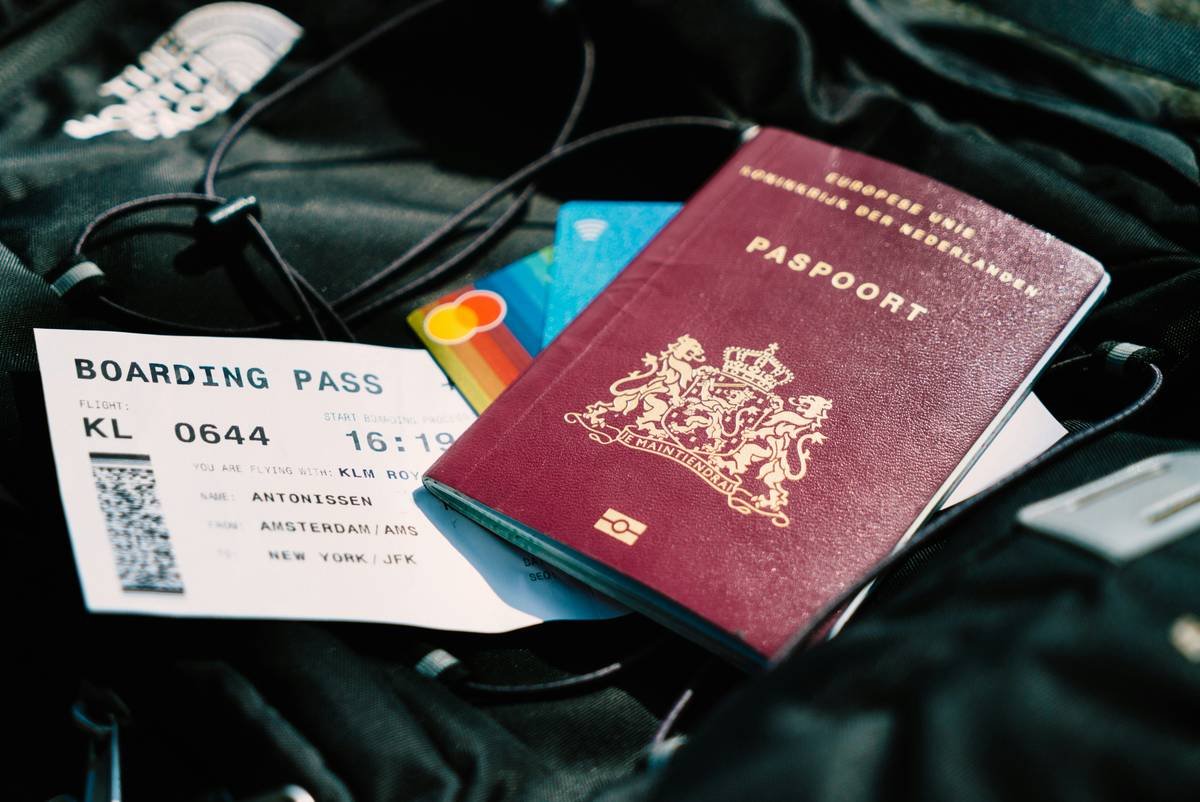
How Do I Actually Read My Credit Card Travel Insurance Disclosure?
Optimist You: “It’s just fine print—how hard can it be?”
Grumpy You: “Ugh, fine—but only if I get to highlight every loophole in red Sharpie.”
Follow these steps to decode your coverage:
Where Do I Find the Real Policy Document?
Don’t rely on your bank’s marketing page. Log into your online account, go to “Benefits” or “Travel,” and look for “Guide to Benefits” and “Certificate of Insurance.” The latter is the legally enforceable contract.
What Keywords Signal a Political Risk Exclusion?
Search the PDF for these phrases:
- “War, invasion, acts of foreign enemies”
- “Revolution, rebellion, insurrection”
- “Civil or popular uprising”
- “Arrest or detention by authorities”
If any appear under “Exclusions,” you’re not covered.
Does “Terrorism” Coverage Include Political Unrest?
Tricky! Some cards (like certain Citi Prestige versions) cover “acts of terrorism” but exclude “riots or civil disorder.” The difference? Terrorism implies targeted violence; civil unrest is broader social chaos. If protesters block roads but no bombs explode, you’re likely out of luck.
5 Brutally Honest Tips to Avoid Coverage Gaps (and One Terrible Idea)
Here’s what actually works—plus one piece of advice so bad, it should come with a warning label:
- Assume your card doesn’t cover political risk. Until proven otherwise via the Certificate of Insurance, pack accordingly.
- Use the U.S. State Department’s Travel Advisory Levels. Level 3 (“Reconsider Travel”) or Level 4 (“Do Not Travel”) destinations almost never qualify for standard card coverage.
- Buy supplemental political risk insurance. Providers like Clements International or IMG Global offer standalone PRI for travelers (yes, it exists for individuals).
- Document everything in real time. If unrest begins, email yourself timestamped photos, news links, and flight cancellations—it strengthens any appeal.
- Call your insurer BEFORE canceling plans. Some require pre-approval for trip interruption claims.
🚫 Terrible Tip Disclaimer: “Just book everything refundable.” Great in theory—until you realize refundable first-class tickets cost 3x more and still won’t cover lost side excursions or Airbnb stays.
Rant Section: My Niche Pet Peeve
Why do banks market “premium travel protection” like it’s a force field against chaos, then hide exclusions behind labyrinthine PDFs? I’ve seen customers lose thousands because their “platinum” card brochure showed palm trees—not protest signs. If your benefits aren’t transparent at point-of-sale, they’re not benefits. They’re bait.
Has Anyone Actually Been Denied Coverage Due to Political Risk?
Absolutely—and here are two verified cases:
Case 1: Lima, Peru (December 2022)
After President Castillo’s arrest triggered nationwide roadblocks, a Chase Sapphire Preferred holder filed a $4,200 trip interruption claim. Denial reason: “Loss resulted from civil commotion, excluded per Section 8.3 of Certificate.”
Case 2: Khartoum, Sudan (April 2023)
An American Express Platinum cardholder stranded during the RSF-military conflict sought emergency evacuation coverage. Response: “Political violence exclusion applies; no reimbursement for commercial flight changes or private security fees.”
These aren’t edge cases—they’re the norm. And none were disclosed upfront when the card was issued.
FAQs About Credit Card Travel Insurance Disclosure
Does any credit card cover political risk?
No major U.S. consumer credit card includes broad political risk coverage. Some corporate or diplomatic cards may, but not personal premium cards.
What’s the difference between travel insurance and political risk insurance?
Standard travel insurance covers illness, delays, and cancellations from common causes. Political risk insurance (PRI) specifically covers losses from government actions, expropriation, political violence, and forced evacuation.
Can I appeal a denied claim related to political unrest?
Yes—but success is rare unless the unrest clearly doesn’t match the policy’s exclusion language. Always cite the specific clause in your appeal letter.
Is terrorism covered if it’s politically motivated?
Sometimes. Check if your policy defines terrorism separately from “insurrection” or “rebellion.” Some insurers cover terrorist acts even during political crises—but not the resulting chaos.
Conclusion: Don’t Let Fine Print Ground Your Peace of Mind
Your credit card’s travel insurance is a helpful safety net—for routine hiccups. But when politics turns volatile, that net has holes big enough to swallow your entire trip budget. Always read the Certificate of Insurance, assume political risk isn’t covered, and supplement with specialty protection if you’re heading into uncertain territory.
Because peace of mind shouldn’t depend on hoping your destination stays peaceful.
Like a Tamagotchi, your travel safety plan needs daily attention—not just a swipe and a prayer.
Airport closed?
Card says "nope."
Buy real insurance.