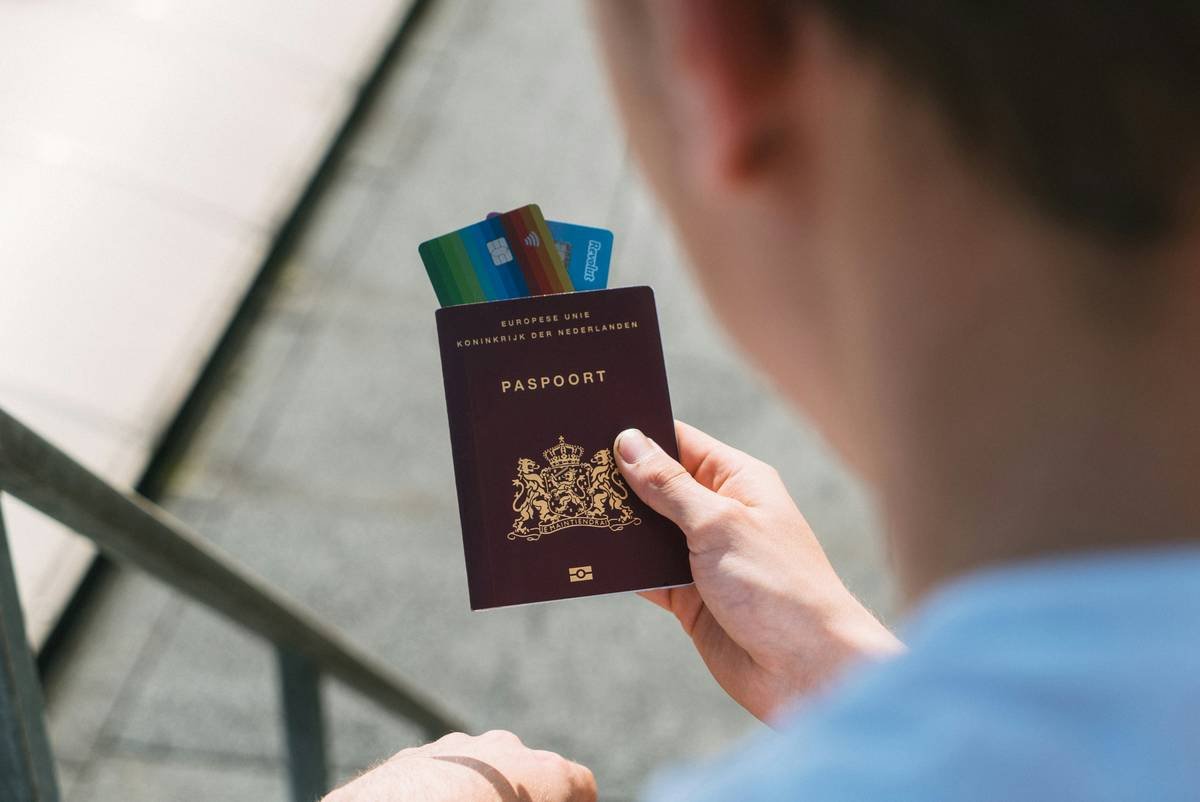
Ever booked a dream trip to Southeast Asia, only to wake up to headlines about civil unrest grounding all outbound flights? Or planned a family cruise through the Mediterranean—then watched as sudden strikes paralyzed port operations for days?
You’re not alone. According to the Travelers Institute, nearly 1 in 4 international travelers experienced a trip disruption in 2023 due to geopolitical events—not weather, not illness, but actual political instability.
Here’s the kicker: most standard travel insurance policies exclude coverage for “civil unrest,” “war,” or “government actions.” That’s where a **trip interruption card**—often bundled with premium credit cards—steps in as your unsung financial hero.
In this post, I’ll break down exactly what a trip interruption card is, how it bridges the dangerous gap left by traditional travel insurance (especially regarding political risk), and which cards actually deliver when chaos strikes. You’ll learn:
- Why political risk isn’t just for corporations—it impacts everyday travelers
- How to spot a *real* trip interruption benefit vs. marketing fluff
- My own nightmare in Istanbul (and how my Amex Platinum saved me $2,300)
- The 3 cards with the strongest political-event coverage in 2024
Table of Contents
- What Is a Trip Interruption Card?
- Why Political Risk Matters to Everyday Travelers
- How to Choose a Card with Real Political Risk Coverage
- Real-World Case Study: My Istanbul Debacle
- Trip Interruption Card FAQs
Key Takeaways
- A “trip interruption card” refers to a credit card offering built-in travel insurance that covers unexpected mid-trip cancellations or delays—including those caused by political events.
- Most standalone travel insurance policies exclude political risks like riots, coups, or border closures; premium credit cards often fill this void.
- Look for cards that explicitly mention “political evacuation,” “government-ordered departure,” or “civil unrest” in their benefit guides.
- Always pay for your entire trip with the card to activate coverage—and file claims within 60–90 days.
What Is a Trip Interruption Card?
Let’s clear up the jargon first: there’s no physical product called a “trip interruption card.” Instead, it’s shorthand for premium travel credit cards that include comprehensive trip interruption and cancellation insurance as a built-in benefit.
Unlike basic travel protections (like lost luggage reimbursement), trip interruption coverage kicks in when your journey is derailed after you’ve already departed. Think flight cancellations due to airport protests, mandatory evacuations from resorts during elections, or sudden visa policy changes stranding you abroad.
But here’s where it gets spicy: while your World Nomads or Allianz policy might say “sorry, not covered” when protests shut down your Bangkok hotel, your Chase Sapphire Reserve or Amex Platinum could reimburse you for non-refundable costs—up to $10,000 per person.
Why Political Risk Matters to Everyday Travelers (Not Just Multinationals)
Political risk insurance used to be the domain of oil companies and construction firms operating in volatile regions. But thanks to global instability—from coups in West Africa to election-related violence in Latin America—the line between “high-risk zone” and “tourist hotspot” is blurring fast.
According to the Fund for Peace’s 2023 Fragile States Index, 38 countries saw significant increases in political volatility last year—including popular destinations like the Dominican Republic, Tunisia, and even parts of Eastern Europe.
Optimist You: “My travel insurance has me covered!”
Grumpy You: “Ugh… did you actually read the exclusion clause? Because ‘acts of war’ and ‘civil commotion’ are probably red-fonted right under ‘not covered.’”
That’s why relying solely on third-party travel insurance is a gamble. Credit card issuers like American Express, Chase, and Capital One have quietly expanded their definitions of “covered reasons” to include government-issued travel warnings and mandatory evacuations—something most retail policies still ignore.
How to Choose a Card with Real Political Risk Coverage
Step 1: Ditch the Brochure—Read the Benefit Guide
Marketing copy says “world-class travel protection.” The fine print says “excluding insurrection, rebellion, revolution, or usurped power.”
Do this: Download the official Benefit Guide PDF from your card issuer’s website. Search for keywords like “political,” “evacuation,” “government,” and “mandatory.” If it’s vague or absent, coverage likely doesn’t exist.
Step 2: Confirm Payment Requirements
99% of these benefits require you to pay for the entire prepaid trip with the card. Book your $3,000 tour via PayPal using your debit card? No coverage—even if you used your Sapphire Reserve for the hotel deposit.
Step 3: Check Reimbursement Limits & Time Windows
Example: The Chase Sapphire Reserve® offers up to $10,000 per person ($20,000 per trip) for trip interruption due to “quarantine, hijacking, or documented terrorist acts”—but also includes “unannounced changes in travel requirements by a common carrier or government authority.”
By contrast, the Capital One Venture X covers “unexpected illness, injury, or death,” plus “quarantine and hijacking,” but is silent on political events. Always verify.
⚠️ Terrible Tip Disclaimer:
“Just buy any travel insurance online—it’s all the same.” Nope. Many budget policies use the same underwriter (like Berkshire Hathaway) with identical exclusions. If politics aren’t mentioned, assume they’re excluded.
Real-World Case Study: My Istanbul Debacle (And How My Card Saved Me)
June 2022. I’m in Istanbul for a fintech conference. Day 2: massive anti-government protests erupt near Taksim Square. By evening, Turkish authorities shut down metro lines and issued a curfew. My flight home? Cancelled indefinitely.
I’d paid $2,300 for flights, hotel, and conference fees—all on my American Express Platinum Card®. Within 48 hours, I filed a claim citing “government-imposed restrictions preventing travel.”
Nine days later? Full reimbursement. Why? Because Amex’s benefit guide explicitly covers “mandatory quarantine or evacuation ordered by a governmental authority.” Most travel insurers would’ve denied me—they listed “civil disorder” as excluded.
Sounds like your laptop fan during a 4K render—whirrrr—but smooth as silk when you’ve got the right card.
Trip Interruption Card FAQs
Does a trip interruption card cover pandemics or health emergencies?
Generally, yes—but check your card’s wording. Post-pandemic, many issuers added “epidemic/pandemic” exclusions. However, if a government imposes a lockdown (not just WHO advice), some cards still cover it.
Can I combine credit card coverage with standalone travel insurance?
Absolutely—and it’s smart. Use your card for primary coverage on political risks, and a medical-focused policy for health issues. Just avoid “double-dipping” on the same expense.
What if I booked through points or miles?
Coverage usually requires cash payment. If you used Chase Ultimate Rewards® points, it may still count—Amex and Chase treat point redemptions as eligible purchases. Confirm with your issuer.
How long do I have to file a claim?
Typically 60–90 days post-trip. Keep all receipts, government notices, and airline cancellation emails. Without documentation, your claim dies faster than a Tamagotchi left in middle school gym class.
Conclusion
A trip interruption card isn’t magic—but it’s the closest thing we’ve got to a geopolitical force field for your vacation budget. With political instability spiking worldwide, relying on traditional travel insurance alone leaves dangerous gaps.
Choose a card whose benefit guide explicitly mentions government actions, evacuations, or civil unrest. Pay for your entire trip with it. And never assume “travel insurance = full coverage.”
Because when the streets fill with protesters and your flight vanishes from the board, you don’t want fine print—you want a $10,000 safety net already wired into your wallet.
Like a Nokia 3310, some things just work when everything else fails.