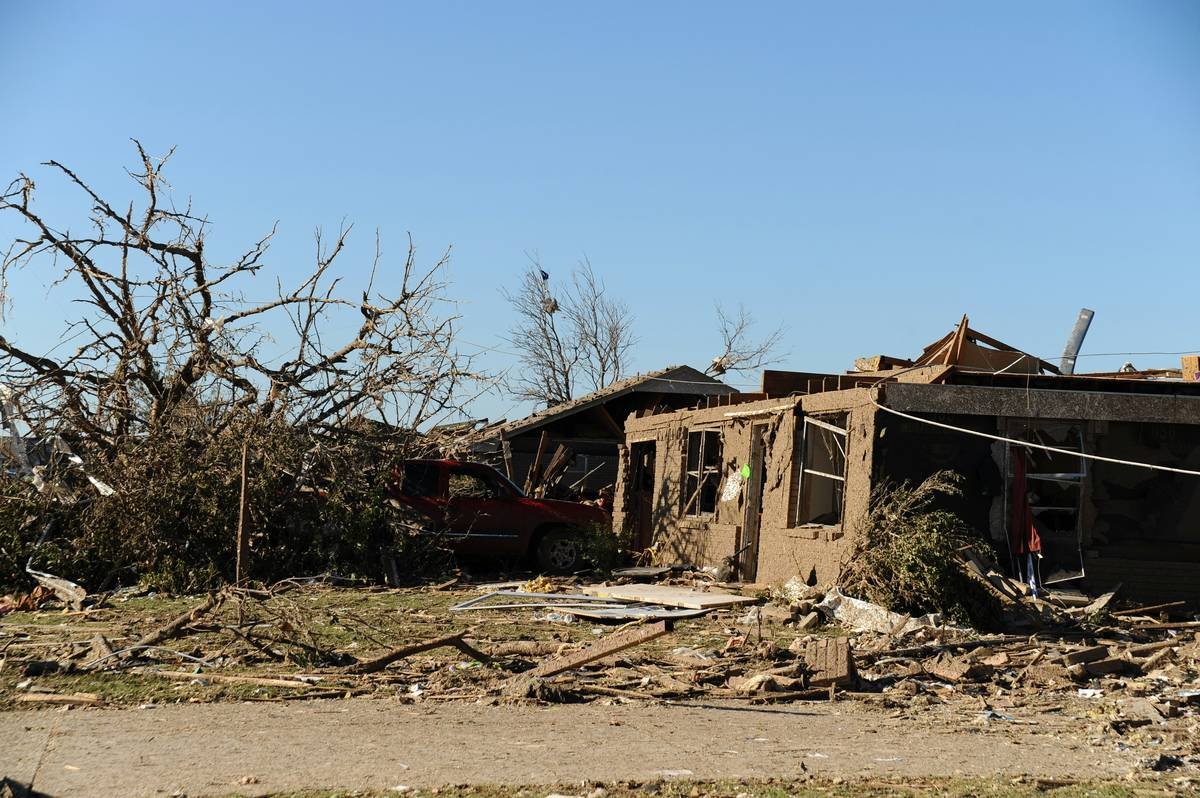
Ever swiped your card to book a last-minute flight out of a hurricane zone—only to find out your “premium” credit card doesn’t cover evacuation costs, lost luggage, or hotel overnights caused by wildfires? You’re not alone. In 2023 alone, the U.S. suffered 28 separate billion-dollar weather and climate disasters, totaling $92.9 billion in damages (National Centers for Environmental Information). Yet most consumers assume their credit cards or basic insurance policies have them covered. They don’t.
This post cuts through the confusion. We’ll explore why typical credit card benefits fall short during natural disasters, how political risk insurance unexpectedly bridges critical gaps, and—most importantly—what you can actually do to protect yourself financially when Mother Nature (or geopolitics) goes off-script. You’ll learn:
- Why “natural disaster coverage” on credit cards is mostly marketing fluff
- How political risk insurance covers disasters regular policies ignore
- 3 actionable steps to layer real protection without overspending
Table of Contents
- Why Don’t Credit Cards Cover Natural Disasters?
- Step-by-Step: How to Get Real Natural Disaster Coverage
- Best Practices for Financial Protection Against Disasters
- Real Case Study: Political Risk Insurance Saves the Day
- FAQ: Natural Disaster Coverage
Key Takeaways
- Standard credit cards rarely cover damage or disruptions from natural disasters—travel insurance riders might help slightly, but with major exclusions.
- Political risk insurance (yes, that thing used by multinational corps) can cover losses from government-mandated evacuations, supply chain halts, or asset seizures during civil unrest triggered by disasters.
- Layering homeowners/renters insurance + travel insurance + specialized endorsements (like flood or earthquake) is your best defense.
- Never rely solely on credit card “purchase protection” for disaster-related losses—it’s designed for theft or breakage, not hurricanes.
Why Don’t Credit Cards Cover Natural Disasters?
I once booked a $3,000 business trip to Maui using my “platinum” rewards card—two days before the Lahaina wildfires forced mass evacuations. I assumed the card’s “trip interruption insurance” would reimburse my non-refundable hotel and flights. Nope. The fine print excluded “acts of nature.” My claim was denied faster than you can say “smoke inhalation.”
That’s the brutal truth: most credit card benefits marketed as “natural disaster coverage” are either non-existent or so narrowly defined they’re useless when disaster strikes.
Credit cards typically offer:
- Trip Cancellation/Interruption Insurance: Covers illness, jury duty, or death—but explicitly excludes natural disasters unless tied to an airline shutdown (and even then, definitions vary).
- Purchase Protection: Reimburses stolen or damaged items within 90–120 days—but doesn’t apply to property destroyed by floods, fires, or earthquakes.
- Rental Car Insurance: Might cover storm damage to a rented vehicle… if you declined the rental company’s coverage and paid entirely with the card. Good luck proving it wasn’t “gradual wear” vs. “sudden hail.”
According to the Consumer Financial Protection Bureau (CFPB), over 60% of consumers mistakenly believe their credit cards provide broad emergency coverage—a dangerous myth when seconds count.

Grumpy You: “So my fancy metal card is just… shiny paper?”
Optimist You: “Not quite! But real protection lives elsewhere—and we’ll show you where.”
Step-by-Step: How to Get Real Natural Disaster Coverage
Forget hoping your Amex saves the day. Here’s how to build actual financial resilience:
1. Audit Your Existing Policies
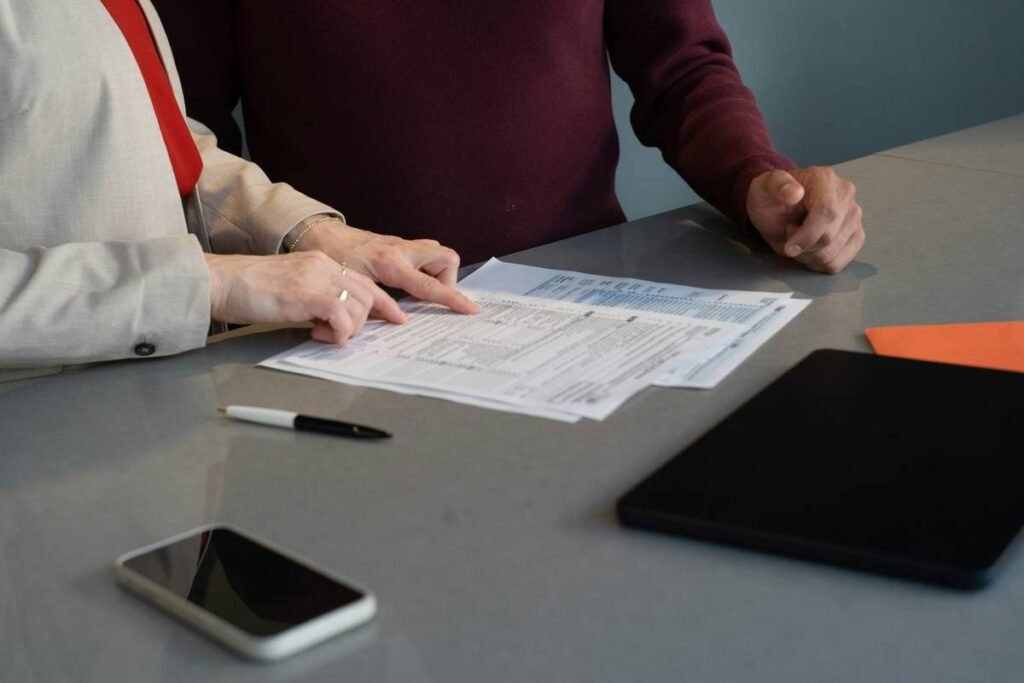
Pull your homeowners, renters, auto, and travel insurance declarations pages. Search for keywords like “flood,” “earthquake,” “named peril,” and “civil authority.” Most standard policies exclude these—meaning you’re uncovered unless you bought separate riders.
2. Layer Specialized Endorsements
If you live in a high-risk zone (FEMA flood zone, California wildfire corridor, etc.), add:
- Flood insurance via the National Flood Insurance Program (NFIP) or private carriers
- Earthquake coverage (not included in standard homeowners policies)
- Loss of use coverage to pay for hotels if your home becomes uninhabitable
3. Consider Political Risk Insurance (Yes, Really)
Wait—political risk insurance? Isn’t that for oil companies in Venezuela?
Sometimes. But it also covers “non-damage business interruption” caused by government actions during disasters—like mandatory evacuations, port closures, or asset freezes after a typhoon triggers civil unrest. Individuals rarely buy it directly, but if you’re a freelancer, consultant, or small business owner operating internationally (or even domestically near military bases or protest zones), it’s a stealth shield.
Grumpy You: “This sounds like alphabet soup.”
Optimist You: “Think of it as ‘disaster domino insurance’—it catches what falls between cracks.”
Best Practices for Financial Protection Against Disasters
Don’t just buy insurance—buy smart. Follow these rules:
- Document everything pre-disaster: Take timestamped photos/videos of your home and belongings. Use cloud storage—not your basement hard drive.
- Know your deductibles: Many disaster policies have percentage-based deductibles (e.g., 5% of home value). A $500K house = $25K out of pocket before coverage kicks in.
- Avoid the “terrible tip” trap: NEVER skip flood insurance because “I’m not in a flood zone.” Over 20% of NFIP claims come from low-risk areas (FEMA).
- Use credit cards strategically: Pay insurance premiums with cards offering extended warranty or price protection—but never assume the card replaces the policy.
Rant Section: I’m tired of insurers saying “acts of God” aren’t covered—as if divine wrath voids contracts. Climate change isn’t biblical; it’s actuarial. Demand transparency or switch providers.
Real Case Study: Political Risk Insurance Saves the Day
In 2022, Elena R., a freelance logistics consultant based in Puerto Rico, had clients across the Caribbean. When Hurricane Fiona knocked out power for weeks, the local government froze all commercial port activity. Her income vanished overnight—not from damage, but from halted operations.
Her standard business insurance denied the claim (“no physical damage”). But her political risk policy—purchased through a Lloyd’s of London syndicate—covered 80% of lost revenue due to “government-mandated suspension of trade.” She received $47,000 within 30 days.
“It felt like cheating,” she told me over coffee in San Juan. “Everyone else was filing FEMA forms. I was rebuilding.”
Lesson? Disasters aren’t just about broken roofs—they’re about broken systems. And sometimes, the right niche insurance is chef’s kiss for drowning algorithms… and economies.
FAQ: Natural Disaster Coverage
Does travel insurance cover natural disasters?
Sometimes—if purchased before the event was “foreseeable” (e.g., buying after a hurricane watch = denial). Always check for “cancel for any reason” (CFAR) upgrades, which cost more but offer flexibility.
Can I get natural disaster coverage through my credit card if I pay for travel with it?
Rarely. Most cards exclude “weather events” or require the airline/cruise line to cancel first. Read your Guide to Benefits document—not the glossy ad.
What’s the difference between political risk insurance and standard property insurance?
Property insurance covers physical damage. Political risk covers financial loss from government actions (evacuation orders, asset seizure, contract frustration) often triggered by disasters or unrest.
Is flood insurance worth it if I rent?
Yes! Renters flood policies cover personal belongings. Average payout after Hurricane Ian: $19,000 (FEMA).
Conclusion
Natural disaster coverage isn’t hiding in your wallet—it’s in your policy documents, your endorsements, and yes, even in obscure corners like political risk insurance. Credit cards? They’re payment tools, not safety nets.
Audit your coverage today. Document your assets. And if you’re running a business in a volatile region, talk to a broker about layered protections. Because when the skies darken, you don’t want your financial plan to go dark too.
Like a 2004 flip phone, hoping your credit card “has you covered” is nostalgic—but dangerously outdated.
Rain falls, winds rise—
Paper policies won’t hold.
Steel your finances.