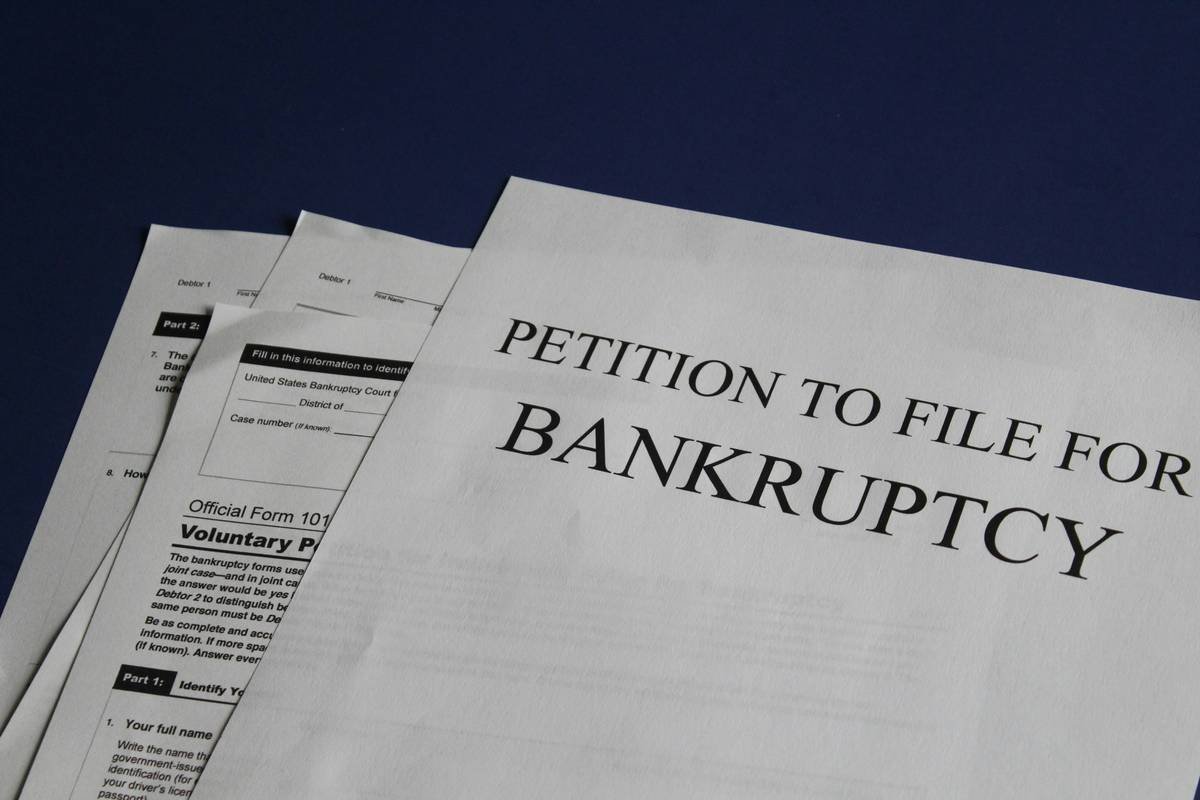
You booked a dream vacation. Paid in full. Then—without warning—the airline collapses. Your money vanishes. Your trip evaporates. And standard travel insurance? Often useless. The solution isn’t more coverage—it’s smarter coverage. Enter political risk insurance, the overlooked shield against airline bankruptcy that even seasoned travelers ignore.
Why Standard Travel Insurance Fails During Airline Bankruptcy
Most travel policies exclude financial default by airlines. Read the fine print—they call it a “supplier default exclusion.” You’re on your own if the carrier implodes. And airlines go under more often than you think. From Monarch to Thomas Cook to Flybe, dozens have folded in the last decade alone. Credit card chargebacks? Only work if you paid directly—and even then, timelines drag for months. Meanwhile, your non-refundable hotel and tour deposits bleed out.
And here’s the kicker: even “comprehensive” plans rarely cover this specific failure mode. They guard against illness or weather—not balance sheets.
How to Secure Real Protection Against Airline Bankruptcy
Step 1: Identify True Supplier Default Coverage
Not all “travel protection” is equal. Hunt for policies that explicitly include “financial default” or “airline insolvency” as a covered reason for cancellation. Most don’t. Ask your insurer: “Does this cover me if my airline ceases operations before departure?” If they hedge—walk away.
Step 2: Leverage Credit Card Purchase Protections
Certain premium credit cards offer built-in trip cancellation/interruption coverage that includes supplier bankruptcy—but only if you pay the entire fare with that card. Amex Platinum, Chase Sapphire Reserve, and some Citi cards qualify. Still, verification is slow, and claims require reams of documentation. Don’t assume; confirm before booking.
Step 3: Layer in Political Risk Insurance (Yes, Really)
Political risk insurance usually covers expropriation or currency inconvertibility in emerging markets. But insurers like Lloyd’s syndicates now bundle “commercial political risk” riders that address private-sector defaults triggered by macro instability—like an airline collapsing due to fuel price shocks or regulatory crackdowns. It’s niche. It’s powerful. And it’s rarely marketed to consumers.

| Protection Method | Covers Airline Bankruptcy? | Avg. Cost | Claim Speed |
|---|---|---|---|
| Standard Travel Insurance | No (typically excluded) | $100–$250 | N/A |
| Premium Credit Card Coverage | Yes (if full fare charged) | $0 (included in annual fee) | 4–8 weeks |
| Dedicated Supplier Default Policy | Yes | $150–$400 | 2–6 weeks |
| Political Risk Insurance Rider | Context-dependent (yes, if linked to sovereign risk) | $300–$900+ | 3–10 weeks |
The Industry Secret: Insurers Quietly Exclude “Known” Bankruptcies
Here’s what brokers won’t tell you: most policies void coverage if the airline was “financially distressed” before you bought the plan. How do they define distress? Negative news reports. Downgraded credit ratings. Even social media rumors. If FlyAirCo was trending for layoffs two weeks before you booked, your claim may get denied—even if the bankruptcy happened later. The loophole? Buy insurance within 10–14 days of your initial trip deposit. That’s the grace window where “unknown risk” still applies. Miss it, and you’re gambling.
Think about it: timing matters more than coverage limits.
Frequently Asked Questions
Does travel insurance cover airline bankruptcy?
Usually not. Most standard policies exclude financial default by travel suppliers unless you buy a specific “supplier default” upgrade—often only available within 10–21 days of your first trip payment.
Can I get a refund if an airline goes bankrupt?
Maybe—if you paid by credit card and dispute promptly. Otherwise, you’ll need specialized insurance. Government-backed schemes (like ATOL in the UK) help only for certain carriers and destinations.
Is political risk insurance worth it for leisure travelers?
Rarely—for most vacations, a supplier default rider is cheaper and sufficient. But if you’re flying a flag carrier in a volatile economy (e.g., Argentina, Lebanon, Pakistan), political risk coverage adds critical backup.