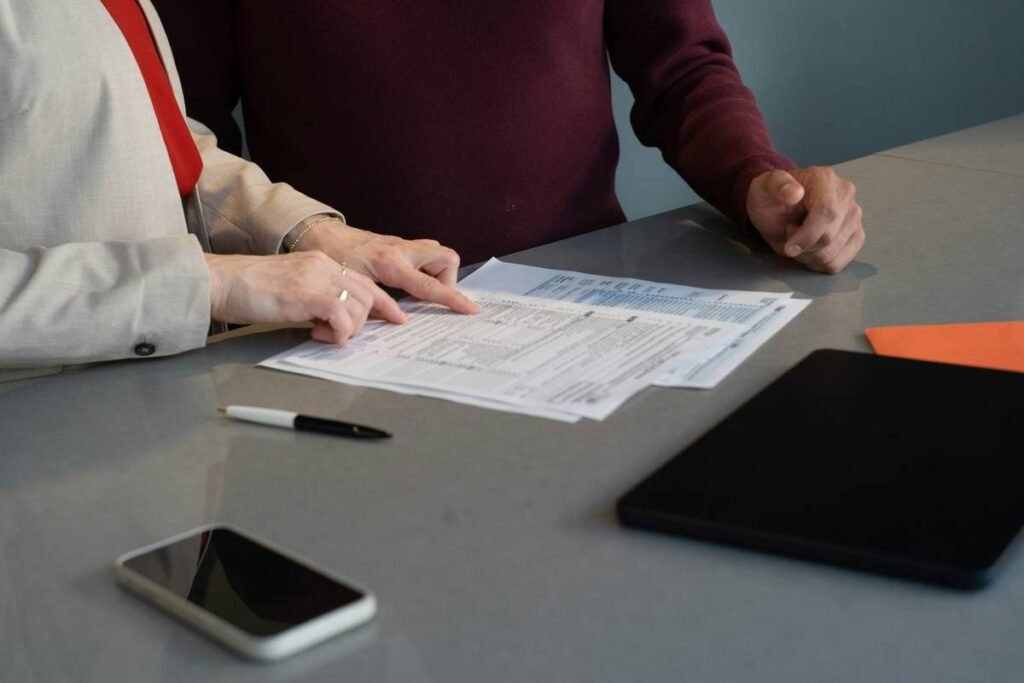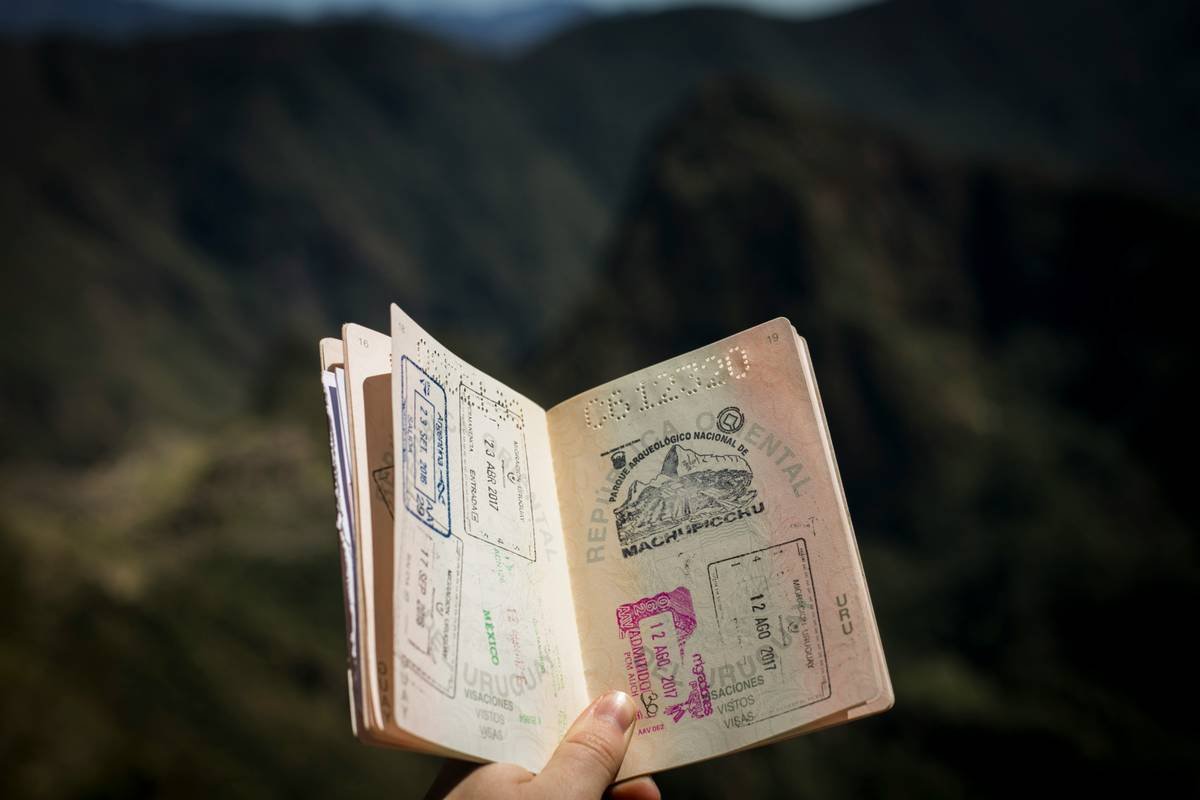
Losing your passport or visa while abroad isn’t just stressful—it can derail your entire trip and drain your emergency fund. With global travel rebounding post-pandemic, incidents of travel document loss have surged, especially in regions prone to civil unrest or political instability. Here’s the hard truth: standard travel insurance rarely covers documentation recovery costs linked to political risk. That’s where specialized political risk insurance steps in—and why you need it before your next international journey.
In this guide, we’ll walk you through exactly how to protect yourself financially from travel document loss, from pre-trip prep to crisis response. You’ll learn actionable steps, real coverage pitfalls to avoid, and how to leverage insurance that actually pays when governments shut borders overnight.
Table of Contents
- Why Travel Document Loss Hurts Your Wallet
- Step-by-Step: What to Do After Losing Documents Abroad
- Best Practices for Preventing Financial Fallout
- Real Case Study: Political Unrest in a Foreign Capital
- FAQ: Travel Document Loss and Insurance
Key Takeaways
- Standard travel policies often exclude losses tied to political events—travel document loss during civil unrest may not be covered.
- Political risk insurance can reimburse emergency passport replacements, temporary lodging, and rebooking fees if documents vanish due to government actions or protests.
- Always carry digital and physical backups of critical IDs; store them separately from originals.
- Notify both your embassy and insurer immediately—delays void many claims.
Why Travel Document Loss Hurts Your Wallet
Most travelers assume their credit card or basic travel policy has them covered if they misplace a passport. Reality check: these plans typically cover theft or accidental loss—but not if your documents disappear because a sudden political coup shuts down consular services for days. In such scenarios, you’re stuck footing bills for extended hotel stays, last-minute flight changes, and emergency visa processing. According to the U.S. Department of State, over 300,000 U.S. citizens report lost or stolen passports annually—many during volatile overseas events.
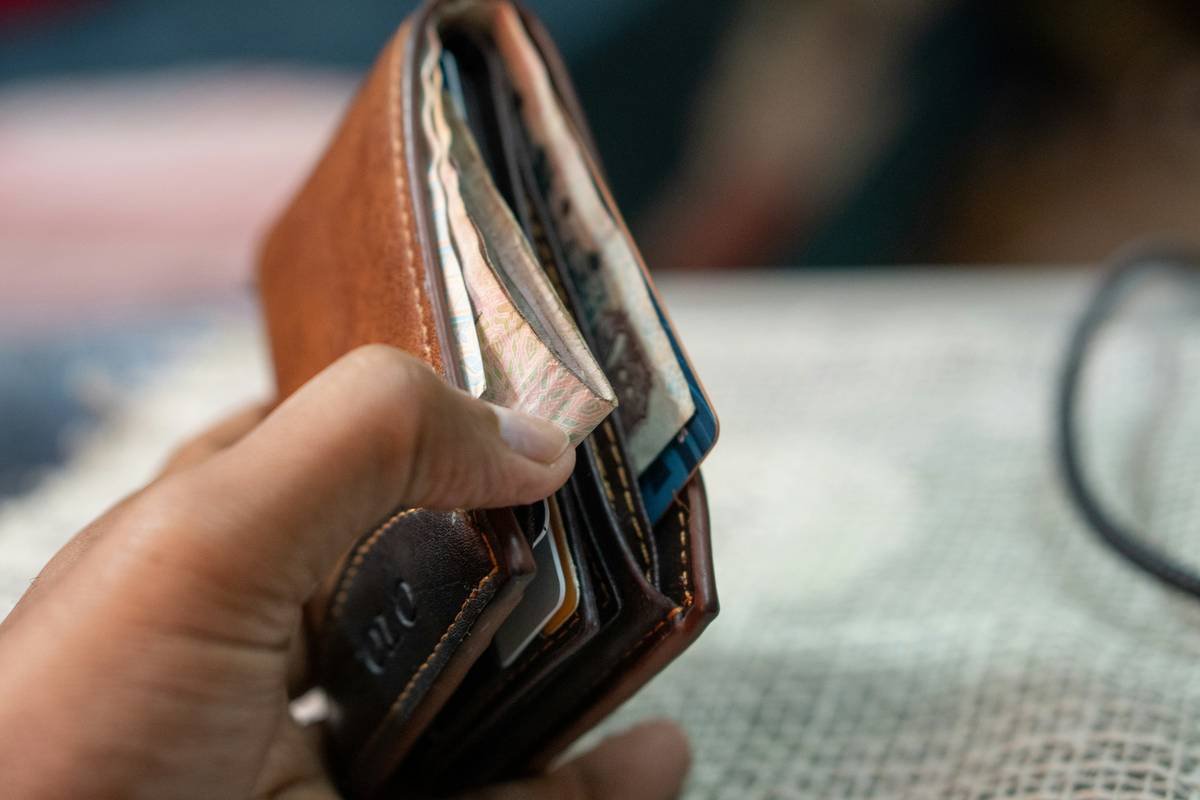
I learned this the hard way in 2019 during protests in Santiago, Chile. My wallet—passport, credit cards, everything—vanished in the chaos. My premium travel card’s “lost luggage” perk? Useless. Why? The bank classified it as “civil disturbance-related,” excluding it from coverage. I drained $1,800 from savings just to get home. That experience led me down the rabbit hole of political risk insurance—a niche but vital tool we detail on our About Us page.
Step-by-Step: What to Do After Losing Documents Abroad
1. Contact Your Embassy Immediately
Dial your country’s emergency consular number (find it via the U.S. State Department’s emergency portal). They issue emergency travel documents—often within 24 hours.
2. File a Local Police Report
Required by most insurers. Even if local authorities seem overwhelmed, insist on written documentation. Without it, your claim for travel document loss gets denied.
3. Notify Your Insurer Within 24 Hours
Check your policy’s “notice of loss” clause. Delays >48 hours can invalidate coverage, especially under political risk riders.
Best Practices for Preventing Financial Fallout
- Photocopy Everything: Scan passports, visas, and IDs. Email copies to yourself and a trusted contact. Store one set in cloud storage.
- Avoid This Terrible Tip: Never keep all documents + backups in the same bag. I’ve seen travelers lose everything because they followed “convenience” advice over security.
- Buy Political Risk Insurance: Look for policies covering “non-physical perils” like government inaction or border closures. Providers like Lloyd’s of London offer tailored plans.
- Use Credit Cards with Crisis Coverage: Some premium cards (e.g., Chase Sapphire Reserve) include up to $500 for emergency document replacement—if explicitly listed in benefits.
Remember: sharing personal data online? Review our Privacy Policy to understand how your info stays protected.
Real Case Study: Political Unrest in a Foreign Capital
In 2022, during Sri Lanka’s economic collapse, thousands of tourists were stranded when government offices halted operations. Traveler Maria K. lost her passport amid fuel shortages and riots. Her standard insurer refused her claim citing “uninsurable political event.” But her separate political risk policy—purchased through a specialty broker—reimbursed $2,200 for emergency processing, hotel extensions, and rebooking. Per the International Risk Insurance Journal, such claims rose 40% YoY in 2022–2023 across emerging markets.
FAQ: Travel Document Loss and Insurance
Does travel insurance cover passport loss during protests?
Only if your policy includes political risk or “civil authority” coverage. Standard plans exclude it.
How quickly must I report travel document loss to my insurer?
Within 24–48 hours. Check your policy wording—delays are the #1 reason for denials.
Can credit cards help with emergency document replacement?
Some premium cards do, but caps are low ($300–$500). Verify before relying on it.
What’s the average cost to replace a lost passport abroad?
$135–$300+ for expedited U.S. passports, plus potential lodging and transport costs.
If you’re planning travel to unstable regions, don’t gamble with basic coverage. Contact us to review your policy gaps—we’ll help you avoid becoming another statistic. And remember: A passport is just paper; your peace of mind is priceless.