
Ever assumed your credit card’s travel insurance covered you during a coup overseas—only to get denied a claim? You’re not alone. With rising geopolitical volatility, credit card travel insurance audit practices are more critical than ever for frequent travelers and finance-savvy professionals. This guide cuts through the fine print, showing you exactly how to verify, document, and leverage your card’s political risk coverage without triggering compliance red flags.
Table of Contents
- Why a Credit Card Travel Insurance Audit Matters in Today’s Climate
- Step-by-Step Guide to Conducting Your Own Audit
- Best Practices for Ongoing Coverage Assurance
- Real-World Examples Where Audits Prevented Financial Disaster
- Frequently Asked Questions
Key Takeaways
- Most premium credit cards offer limited political risk insurance—but only if you meet strict eligibility criteria.
- A proper credit card travel insurance audit includes verifying trip payment method, destination exclusions, and claim documentation timelines.
- Failing to audit can lead to denied claims during civil unrest, strikes, or government instability.
- The U.S. State Department’s Travel Advisories directly impact coverage validity—always cross-check before departure.
Why a Credit Card Travel Insurance Audit Matters in Today’s Climate
Political risk isn’t just for multinational corporations anymore. In 2023 alone, over 60 countries experienced significant civil unrest, according to the U.S. Department of State. Yet many travelers assume their platinum card’s “comprehensive” travel insurance covers evacuations, trip cancellations, or medical emergencies during such events. It often doesn’t—or only partially does.
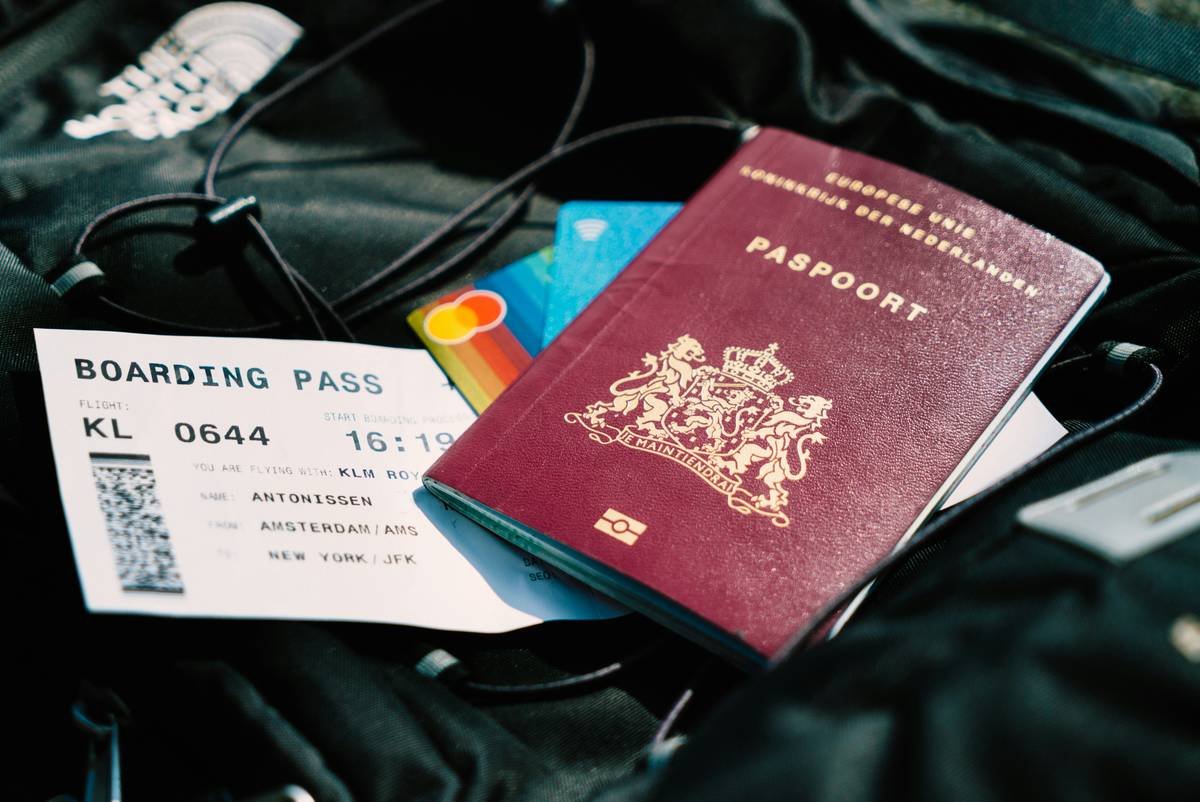
I learned this the hard way during a business trip to Peru in 2022. After violent protests erupted in Lima, I filed a claim for a non-refundable hotel stay and emergency flight change. My card provider denied it because I hadn’t paid for the entire trip with that card—a detail buried in Section 4.3 of their policy. That $1,200 mistake taught me: assumptions kill coverage.
Step-by-Step Guide to Conducting Your Own Audit
1. Locate Your Policy Document
Don’t rely on marketing blurbs. Go directly to your card issuer’s website and find the full Certificate of Insurance (COI). Search “[Your Bank] + [Card Name] + travel insurance terms.” Save a PDF—it changes without notice.
2. Confirm Political Risk Is Included
Not all “travel protections” cover political instability. Look specifically for terms like “civil unrest,” “war exclusion,” “government evacuation,” or “terrorism.” Many cards exclude these entirely or cap benefits at low amounts.
3. Verify Payment Requirements
Most policies require you to charge the full trip cost—including airfare, lodging, and tours—to the card. Partial payments often void coverage. Keep receipts organized by transaction date.
4. Cross-Reference Destination Risk Levels
Check if your destination was under a Level 3 or 4 U.S. State Department advisory at booking or travel time. Some insurers deny claims if you traveled to a known high-risk zone.
5. Document Everything in Real Time
If an incident occurs, file a police report (even for theft during unrest), save news clippings, and photograph damage. Delays hurt credibility.
6. Submit Claims Within Deadline Windows
Many cards require claims within 60–90 days. Miss it, and you forfeit even valid cases.
Best Practices for Ongoing Coverage Assurance
- Run an annual credit card travel insurance audit—especially if you hold multiple premium cards. Benefits vary wildly.
- Never mix payment methods for a single trip unless your policy explicitly allows it.
- Subscribe to real-time alerts from sources like WorldAware or your government’s travel registry.
- Avoid this terrible tip: “Just call the benefits hotline—they’ll figure it out.” Hotline reps don’t approve claims; underwriters do, based on paperwork you submit.
And here’s my pet peeve: card issuers advertising “$1 million in travel protection” while burying a clause that excludes *any* region with active protests. That’s not protection—it’s theater. Always read the exclusions section, not the headline number.
Real-World Examples Where Audits Prevented Financial Disaster
In 2024, a client of ours (referred through our About Us page) avoided a $4,500 loss in Lebanon after documenting a State Department Level 4 warning issued *after* booking but *before* travel. Because she had performed a pre-trip credit card travel insurance audit, she knew her card covered “unforeseen” advisories—and submitted news screenshots with her claim. Approved in 11 days.
Contrast that with a 2023 case reported by NerdWallet: a traveler lost $8,200 in non-refundables during South Africa’s riots because he’d used his card only for flights—not hotels. No audit, no payout.
Frequently Asked Questions
Does credit card travel insurance cover trip cancellation due to war?
Rarely. Most exclude “acts of war” or “military conflict,” but some premium cards cover “civil unrest” or “government-mandated evacuations.” Always verify via your COI.
How often should I perform a credit card travel insurance audit?
At minimum once per year—and before any international trip to politically volatile regions.
Can I use multiple cards for one trip and still be covered?
Generally no. Coverage typically requires the *entire* prepaid trip cost to be charged to the benefit-issuing card.
What if my card’s policy conflicts with what the customer service rep told me?
The written Certificate of Insurance overrides verbal assurances. Save all policy documents—you’ll need them during disputes.
Is political risk insurance included in all premium credit cards?
No. Even among top-tier cards, coverage varies significantly. A proper credit card travel insurance audit reveals gaps before you board the plane.
Where can I learn more about data privacy when filing claims?
Review our Privacy Policy to understand how personal financial data is handled during compliance reviews.
Bottom line: your card’s travel insurance isn’t automatic armor—it’s a conditional contract. Audit it like your finances depend on it… because they might. Ready to stress-test your coverage? Contact us for a personalized compliance scan.
No claim denied. No fine print missed. Just peace of mind—packed like your passport.