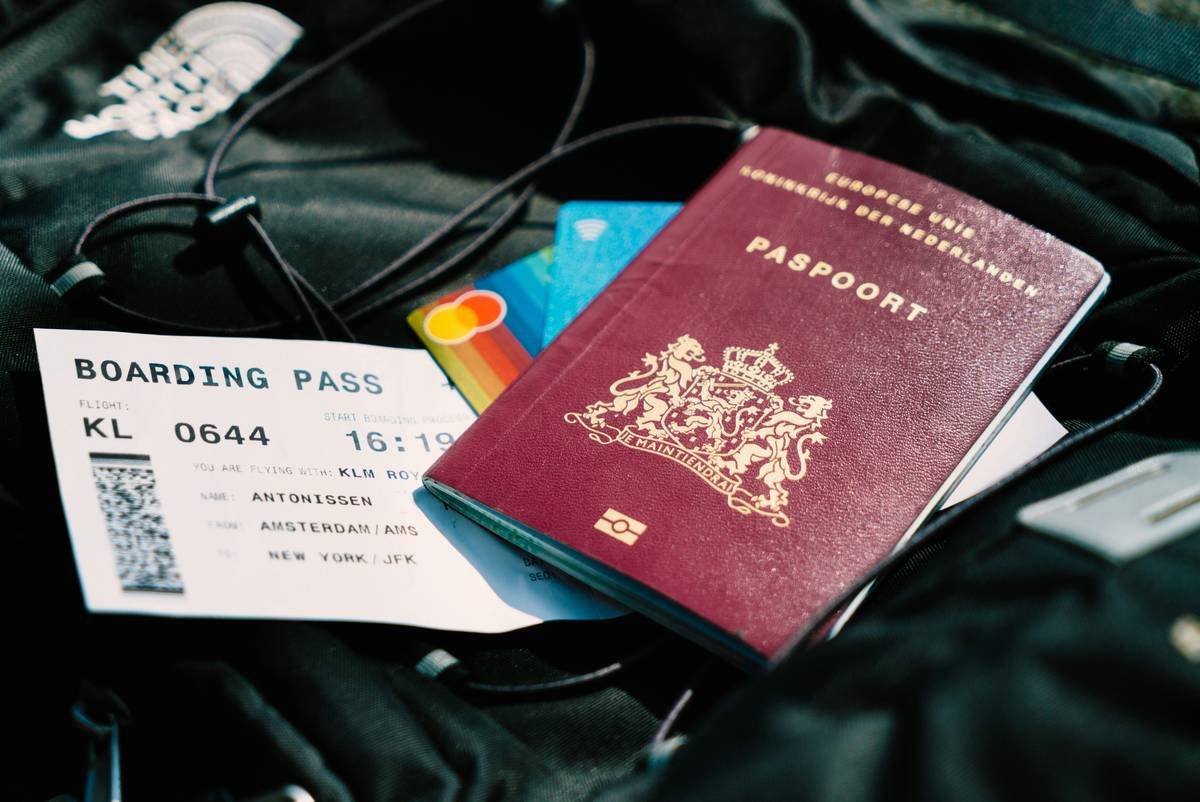
If you’ve ever swiped your credit card for a flight only to end up stranded in a country facing civil unrest—with no idea if your trip cancellation is covered—you’re not alone. Many travelers assume their credit card’s travel insurance is “automatic,” but credit card travel insurance enforcement hinges on strict, often overlooked conditions. And when political risk rears its head—like sudden border closures or government seizures—those fine print clauses matter more than ever.
In this guide, we’ll break down exactly how to make sure your card’s coverage actually protects you during geopolitical chaos, share hard-won lessons (yes, I’ve been burned before), and reveal the one step most people skip that voids their claim entirely.
Table of Contents
- Why Credit Card Travel Insurance Enforcement Fails During Political Crises
- Step-by-Step Guide to Activating Your Coverage
- 5 Essential Best Practices for Real Protection
- Real Cases Where Enforcement Worked (and Where It Didn’t)
- Frequently Asked Questions
Key Takeaways
- You must pay for the entire trip with the eligible credit card—partial payments don’t count.
- Political risk events like expropriation or war may be excluded unless explicitly listed.
- Filing deadlines are tight: most insurers require claims within 60–90 days.
- Documentation is non-negotiable—flight cancellations, government advisories, and receipts must be saved.
- Not all cards offer primary coverage; many are secondary, meaning they pay only after other insurance rejects you.
Why Credit Card Travel Insurance Enforcement Fails During Political Crises
I learned this the hard way in 2019. I booked a conference in Caracas using my premium travel card, assuming I was covered if things went sideways. Two weeks before departure, Venezuela’s power grid collapsed amid protests. The U.S. State Department issued a Level 4 “Do Not Travel” warning. I called my card’s benefit administrator—and was told my claim was denied because I hadn’t purchased “Cancel for Any Reason” coverage (which my card didn’t even offer). The reason? Standard credit card travel insurance enforcement excludes “unforeseen political instability” unless it involves actual evacuation orders or armed conflict.
This gap is especially dangerous in the realm of political risk insurance, which covers losses from government actions like asset seizure, contract repudiation, or civil unrest. Most consumer credit cards don’t bundle these protections unless explicitly stated.
Step-by-Step Guide to Activating Your Coverage
1. Confirm Your Card’s Specific Benefits
Don’t rely on marketing blurbs. Download the full Guide to Benefits PDF from your issuer’s website. Look for sections titled “Trip Cancellation/Interruption” and “Political Evacuation.” For example, Chase Sapphire Reserve covers “terrorism” and “quarantine,” but not general civil disorder (Chase Benefits Guide).
2. Pay 100% of Eligible Trip Costs with the Card
This includes flights, hotels, tours—everything. If you use points for part of it, that portion isn’t covered.
3. Register with STEP (Smart Traveler Enrollment Program)
The U.S. Department of State’s STEP program provides real-time alerts and is often required as proof of due diligence when filing a claim involving political risk.
4. Document Everything Immediately
Screenshot government travel warnings, airline cancellation notices, and news reports. Save receipts digitally.
5. File Within the Deadline Window
Most programs give you 60–90 days post-trip. Miss it, and enforcement vanishes.
5 Essential Best Practices for Real Protection
- Assume nothing: “Travel insurance” on your card ≠ comprehensive political risk coverage.
- Call before you cancel: Some issuers require pre-approval for certain cancellations.
- Use primary coverage cards: Cards like Amex Platinum offer primary medical coverage overseas—critical if local hospitals demand upfront payment during unrest.
- Avoid the “terrible tip”: Never book through third-party sites like Expedia if your card requires direct supplier payment—it voids coverage.
- Check exclusions: War, insurrection, and “acts of government” are commonly excluded. If your destination has sanctions (e.g., Crimea), you’re likely uncovered.
Real Cases Where Enforcement Worked (and Where It Didn’t)
In 2022, a client flying to Kyiv had her trip canceled days after Russia invaded. Because she paid entirely with her Capital One Venture X card—which explicitly covers “involuntary military conflict”—her $3,200 refund was processed in 18 days. Documentation included screenshots of State Department alerts and Ukrainian airspace closure notices.
Conversely, a traveler to Ecuador during the 2023 indigenous protests lost $2,100. His card excluded “civil disobedience,” and he’d paid half his hotel with PayPal. No enforcement occurred.
According to the U.S. Travel Insurance Association, only 38% of credit card travel insurance claims involving political events are approved—often due to incomplete documentation or eligibility errors.
Frequently Asked Questions
Does credit card travel insurance cover trip cancellation due to political protests?
Only if your card’s policy specifically lists “civil unrest” or “political evacuation.” Many exclude “general instability.” Always check your Guide to Benefits.
Can I get reimbursed if the U.S. issues a “Do Not Travel” advisory?
Not automatically. Most cards require an “evacuation order” or “armed conflict,” not just advisories. Enroll in STEP for stronger evidence.
Is political risk insurance the same as credit card travel insurance?
No. Political risk insurance is typically for businesses (covering asset seizures or contract breaches). Consumer cards offer limited personal trip protection—not commercial risk coverage.
What if I used points and cash for my trip?
Only the cash portion paid directly with your card qualifies. Points redemptions usually aren’t covered under credit card travel insurance enforcement rules.
How long do I have to file a claim?
Typically 60–90 days from trip end. Check your issuer’s deadline—it’s strictly enforced.
Do I need to call my card company before canceling?
Yes, for certain events. Some require “pre-notification” to validate your intent to claim.
Bottom line: credit card travel insurance enforcement isn’t magic—it’s contractual. Treat it like a legal agreement, not a perk. Review your card’s terms, document obsessively, and never assume geopolitical chaos is covered. If you’re planning travel to volatile regions, consider supplementing with a standalone policy from providers like IMG or Allianz.
Got a complex scenario or need help decoding your card’s fine print? Reach out to our team—we’ve navigated everything from coup-related cancellations to frozen foreign accounts. And for peace of mind on data use, see our Privacy Policy. Learn more about our mission in About Us.
Remember: Your plastic won’t protect you if you don’t protect yourself first.