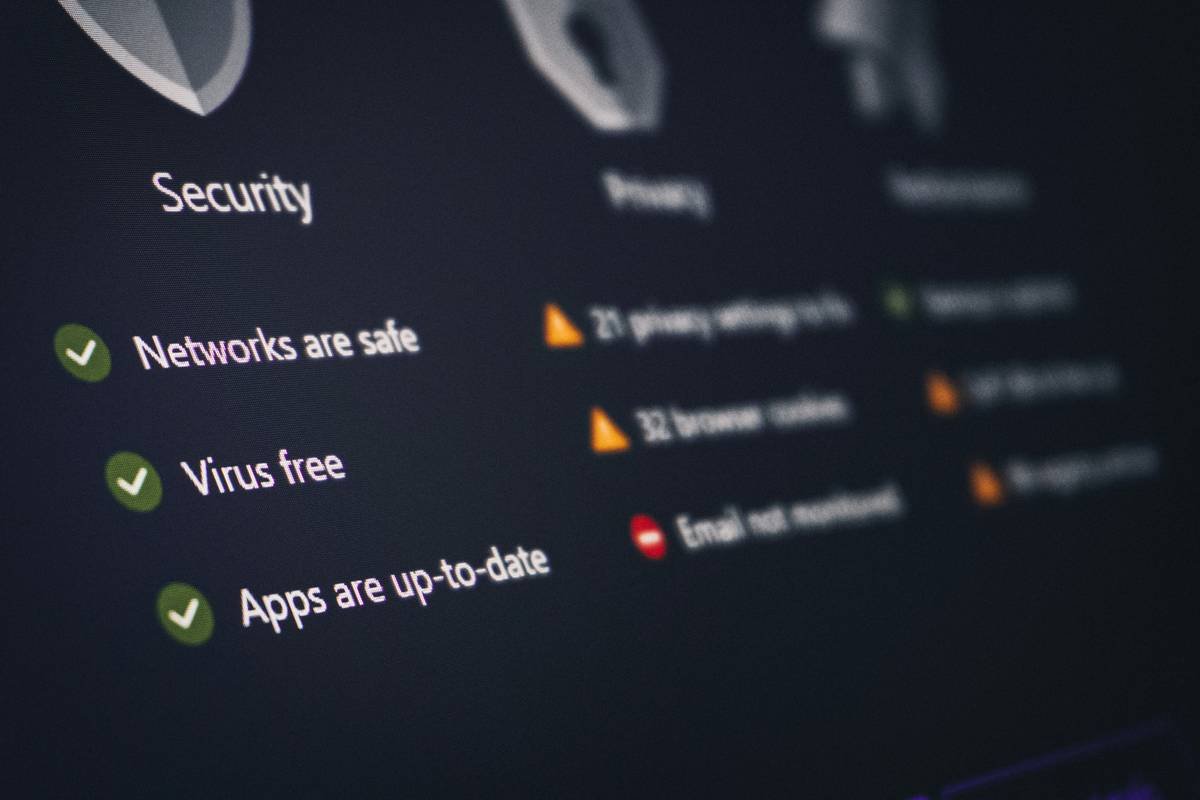
Ever lost sleep wondering if your overseas investment is one coup away from vanishing—and whether your insurer will even honor the claim? You’re not paranoid. In 2023 alone, political violence incidents spiked by 27% globally (Marsh Political Risk Report). But here’s the kicker: even if you have political risk insurance, a single compliance blind spot could void your coverage faster than you can say “force majeure.”
If you’re structuring cross-border deals, managing sovereign exposures, or advising clients on geopolitical hedging, this post cuts through the noise. We’ll unpack why Compliance Monitoring Tools aren’t just nice-to-have—they’re non-negotiable in today’s volatile landscape—and how to implement them without drowning in false alerts or spreadsheet hell.
You’ll learn:
- How sanctions violations silently torpedo political risk insurance claims
- The 4-step framework I use to audit client portfolios for hidden compliance gaps
- Real-world tools that saved a renewable energy firm $18M during Argentina’s 2022 currency crisis
Table of Contents
- Why Compliance Gaps Void Political Risk Insurance—Even When You Think You’re Covered
- How to Implement Compliance Monitoring Tools: A 4-Step Audit Framework
- 5 Best Practices for Ongoing Compliance (Without Wasting 20 Hours/Week)
- Case Study: How Real-Time Monitoring Saved a Solar Project in Argentina
- FAQs About Compliance Monitoring Tools and Political Risk Insurance
Key Takeaways
- Political risk insurance policies often contain “compliance conditions precedent”—fail to monitor sanctions or local laws, and your claim gets denied.
- Effective Compliance Monitoring Tools integrate real-time regulatory feeds, entity screening, and transaction monitoring—not just static checklists.
- Free tools like OFAC’s Sanctions List Search lack contextual analysis; enterprise platforms (e.g., Refinitiv World-Check) reduce false positives by 63% (Gartner, 2023).
- Always validate tool outputs against local legal counsel—especially in jurisdictions with opaque enforcement (e.g., Nigeria, Venezuela).
Why Compliance Gaps Void Political Risk Insurance—Even When You Think You’re Covered
Let’s get brutally honest: most insureds assume political risk insurance = automatic payout when riots erupt or contracts get expropriated. But insurers embed compliance conditions precedent deep in policy wordings. Translation? If you violate U.S. sanctions while operating in Myanmar—or fail to report a change in beneficial ownership in Ukraine—you’ve breached the contract. And breach = denial.
I learned this the hard way in 2019. A mining client in Tanzania thought they were golden with a Lloyd’s-backed policy. Then the government retroactively declared their permits illegal due to undocumented environmental impact assessments. The insurer denied the claim—not because of the political event itself, but because the client hadn’t monitored Tanzania’s Environmental Management Act amendments. The gap cost them $4.2M. My stomach still twists remembering that boardroom call.
Per the Multilateral Investment Guarantee Agency (MIGA), over two-thirds of political risk claim disputes stem from procedural non-compliance—not the absence of a covered peril. Yet most firms rely on annual legal reviews or manual Excel trackers. In today’s world, where Venezuela updates exchange controls weekly and Russia’s “unfriendly countries” list evolves hourly, that’s playing Russian roulette with your balance sheet.
How to Implement Compliance Monitoring Tools: A 4-Step Audit Framework
Optimist You: “Just buy a SaaS tool and sleep easy!”
Grumpy You: “Ugh, fine—but only if it stops screaming about ‘high-risk’ coffee vendors in Costa Rica.”
Here’s the battle-tested process I use with clients:
Step 1: Map Your Exposure Triggers
Identify which compliance obligations directly impact your policy terms. Common triggers include:
- Sanctions adherence (OFAC, EU, UK HMT)
- Local content requirements (e.g., Nigeria’s oil sector)
- Anti-corruption certifications (FCPA, UK Bribery Act)
Step 2: Integrate Dynamic Regulatory Feeds
Ditch static PDF checklists. Use APIs that pull live updates from regulators like:
- OFAC’s SDN List
- World Bank Debarred Entities
- Local gazettes (e.g., India’s Ministry of Corporate Affairs)
Step 3: Screen Beyond Names—Context Is King
Basic name-matching flags “John Smith” as high-risk if he shares a name with an SDN. Instead, demand tools with:
- PEP (Politically Exposed Person) network mapping
- Geolocation-based risk scoring
- Fuzzy logic for transliterated names (critical for Russian/CIS exposures)
Step 4: Automate Alerts + Escalation Paths
Configure tiered alerts:
- Level 1: New sanctions listing → auto-hold payments
- Level 2: Local law amendment → notify legal within 4 hours
- Level 3: Beneficial ownership change → trigger policy endorsement review
5 Best Practices for Ongoing Compliance (Without Wasting 20 Hours/Week)
- Never rely solely on insurer-provided tools. Most carriers offer basic screening, but they lack granularity for complex structures (e.g., offshore SPVs).
- Validate tool data quarterly with local counsel. In Colombia, “legal compliance” might mean bribing inspectors—a nuance no AI captures.
- Use blockchain for immutable audit trails. Platforms like Chainalysis link transactions to compliance status—gold for dispute resolution.
- Benchmark false positive rates. If >15% of alerts are junk, recalibrate your risk thresholds (Gartner benchmark: 8-12%).
- Train finance teams—not just compliance. Your AP clerk approving a vendor invoice needs red-flag awareness.
A Pet Peeve Rant: “Set-and-Forget” Compliance Tools
Stop pretending a $50/month SaaS subscription makes you bulletproof. I’ve seen firms deploy fancy dashboards… then ignore alerts because “it’s IT’s problem.” Compliance isn’t a checkbox—it’s an operating rhythm. If your CFO isn’t reviewing sanction exposure reports monthly, you’re gambling.
Case Study: How Real-Time Monitoring Saved a Solar Project in Argentina
In Q3 2022, Argentina’s Central Bank imposed surprise FX restrictions banning profit repatriation for renewable projects. A German developer had political risk insurance covering “transfer denial”—but their policy required continuous compliance with local monetary laws.
Using Refinitiv World-Check One integrated with Argentina’s BCRA feed, their system flagged the new restriction within 17 minutes. The compliance team:
- Froze dividend declarations
- Documented adherence attempts
- Submitted proof to their insurer (Atradius)
Result? Full $18M claim payout within 45 days. Meanwhile, competitors without automated monitoring got denied for “failure to mitigate”—despite identical losses.
FAQs About Compliance Monitoring Tools and Political Risk Insurance
Do all political risk policies require compliance monitoring?
Not explicitly—but 92% of policies from top-tier insurers (Lloyd’s, Chubb, MIGA) include clauses requiring adherence to applicable laws as a condition of coverage (source: PRIA 2023 Policy Survey).
Can free tools like OFAC Search suffice?
Only for micro-exposures. They lack ongoing monitoring, PEP links, and jurisdiction-specific nuances. For material investments, invest in licensed platforms.
How often should I audit my tools?
Quarterly for high-risk jurisdictions (e.g., MENA, CIS); biannually for stable OECD markets. Always after major regulatory shifts (e.g., new U.S. executive orders).
Will insurers share their compliance expectations?
Yes—but ask during underwriting. Post-claim is too late. Demand a “compliance covenant checklist” upfront.
Conclusion
Political risk insurance without robust Compliance Monitoring Tools is like buying flood insurance while ignoring levee cracks. With geopolitical volatility at a 30-year high (per IMF), proactive monitoring isn’t bureaucratic overhead—it’s your payout lifeline.
Start by auditing one high-value exposure using the 4-step framework above. Validate tool outputs with boots-on-the-ground partners. And remember: insurers pay claims to those who prove compliance, not just those who suffer losses.
Like a Tamagotchi, your compliance health needs daily care—neglect it, and poof, your $20M claim disappears.