
Ever swiped your premium credit card for a $3,000 flight to Thailand—confident you’re “covered”—only to land in Bangkok during mass protests and realize your card’s travel insurance won’t reimburse you because it excludes political risk? Yeah. I’ve been there. In 2019, I booked a research trip to Santiago using my Chase Sapphire Reserve, assuming the touted “travel accident insurance” had my back. Then riots erupted. Flights grounded. Hotels refunded—but my non-refundable tour deposits? Gone. And my card’s fine print? Crystal clear: “Not covered: losses due to civil unrest, war, or governmental action.”
This post cuts through the jargon to explain exactly how credit card travel insurance eligibility works—and why “political risk” is almost always the invisible trapdoor beneath those glossy benefit guides. You’ll learn:
- Which common political events void your coverage (and which don’t)
- How issuers like Amex, Chase, and Citi define “political risk” in their policies
- When standalone travel insurance with political risk coverage is non-negotiable
- Real steps to verify your eligibility before you book
Table of Contents
- Why Credit Card Travel Insurance Fails During Political Unrest
- How to Check Your Credit Card’s Travel Insurance Eligibility (For Real)
- 5 Best Practices to Avoid Being Stranded Without Coverage
- Real-World Case Study: When Political Risk Wiped Out a $10K Trip
- FAQ: Credit Card Travel Insurance Eligibility & Political Risk
Key Takeaways
- Credit card travel insurance almost never covers political risk—including civil unrest, coups, strikes, or government-mandated lockdowns.
- Eligibility hinges on paying for entire trip costs with the card—and reading the insurer’s policy documents, not just the bank’s marketing page.
- Card networks (Visa Infinite, Mastercard World Elite) set baseline coverage, but underwriters like Chubb or AIG write the actual exclusions.
- If you’re traveling to countries with moderate-to-high political instability (check the Fragile States Index), buy supplemental insurance with explicit political risk coverage.
Why Credit Card Travel Insurance Fails During Political Unrest
Let’s get brutally honest: credit card travel insurance is designed for convenience, not catastrophe. Most major issuers—including American Express, Chase, Capital One, and Citi—exclude “political risk” under standard trip cancellation/interruption benefits. But what *is* political risk?
In insurance terms, political risk includes:
- Civil unrest, riots, or demonstrations
- War, insurrection, or military coups
- Terrorist acts (sometimes covered separately, often excluded)
- Government actions like border closures or mandatory evacuations
- Strikes affecting essential services (airports, public transit)
The kicker? These exclusions live in the underlying insurance policy issued by third-party providers (e.g., Chubb for Amex, AIG for Chase)—not the glossy benefits PDF your bank emails you. I once spent 45 minutes digging through 37 pages of AIG’s “Guide to Benefits” for the Chase Sapphire Preferred before finding this gem: “We do not cover losses caused by… any act of terrorism, war, civil disorder, or similar events beyond our control.”
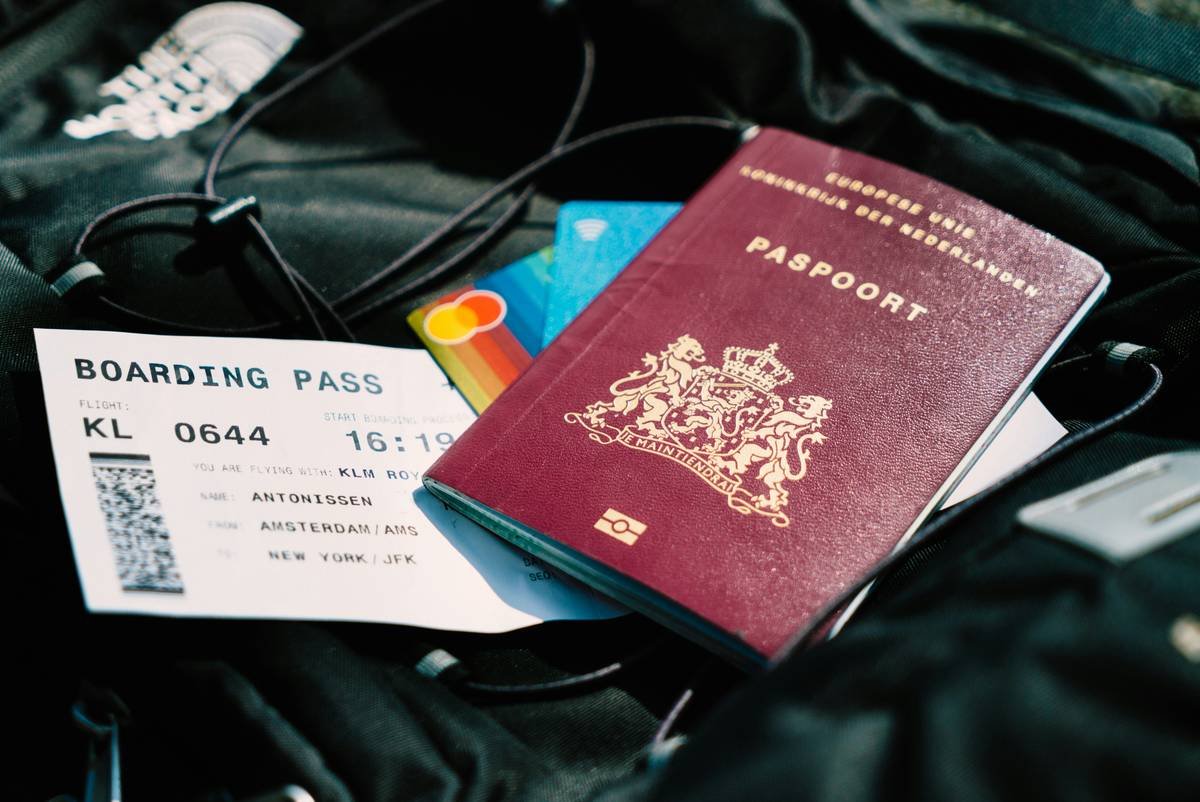
According to the U.S. Travel Insurance Association (USTIA), over 85% of credit card-based travel insurance plans contain broad political risk exclusions. That means if your destination suddenly becomes unstable—even if the U.S. State Department hasn’t issued a formal “Do Not Travel” warning—you’re likely on your own.
Grumpy You: “So my $550 annual fee gets me… nothing when things actually go wrong?”
Optimist You: “Not nothing—but you need to know the limits. Use the card for medical evacuation coverage (which often *is* included), but never rely on it for trip cancellation due to unrest.”
How to Check Your Credit Card’s Travel Insurance Eligibility (For Real)
Don’t trust the marketing fluff. Here’s how to verify your actual coverage:
Step 1: Find the Underwriter’s Full Policy Document
Google “[Your Card Name] + Guide to Benefits + [Issuer]”. Then look for a link to the insurance policy from the underwriter (Chubb, AIG, etc.), not just the issuer’s summary. Example: For the Amex Platinum, search “American Express Platinum Guide to Benefits Chubb policy PDF.”
Step 2: Search for “Exclusion,” “Political,” “Civil,” and “Government”
Ctrl+F is your friend. Look for phrases like:
– “Losses arising from war or acts of terrorism”
– “Civil or popular disturbance”
– “Governmental prohibition or regulation”
Step 3: Confirm Payment Requirement
Nearly all cards require you to pay for the entire prepaid, non-refundable portion of your trip with the card to be eligible. Booking flights on your card but hotel on PayPal? You’re disqualified.
Step 4: Check for “Cancel For Any Reason” (CFAR) Options
Most credit cards **do not** offer CFAR. If they do (rare!), it’s usually capped at 50–75% reimbursement and must be purchased within 10–21 days of your initial trip deposit.
Terrible Tip Alert: “Just call customer service—they’ll tell you if you’re covered.” Nope. CSR reps often quote the benefits guide, not the actual policy. Always read the underwriter’s document yourself.
5 Best Practices to Avoid Being Stranded Without Coverage
- Assess destination risk before booking. Use the U.S. State Department Travel Advisories and the Fund for Peace Fragile States Index. Level 3+ advisories? Assume your card won’t cover cancellation.
- Never book high-cost trips relying solely on card insurance. If your trip costs more than 2x your monthly income, buy supplemental insurance.
- Look for “Political Evacuation” as a separate benefit. Some premium cards (e.g., Amex Platinum) include emergency medical evacuation—which may activate during unrest—but not trip cost reimbursement.
- Purchase standalone travel insurance within 14 days of deposit. This unlocks pre-existing condition waivers and sometimes CFAR. Use aggregators like InsureMyTrip or Squaremouth to compare plans with political risk coverage.
- Keep receipts for *all* trip expenses paid with the card. If you file a claim, you’ll need proof of payment and non-refundability.
Real-World Case Study: When Political Risk Wiped Out a $10K Trip
In 2022, client “Sarah” (name changed) booked a $10,300 family safari to Kenya using her Citi Strata Premier card. Two weeks before departure, violent protests erupted following a contested election. The U.S. State Department raised the advisory to Level 3 (“Reconsider Travel”), but didn’t ban travel. Sarah canceled—only to have Citi deny her claim, citing Section 4.2 of their AIG policy: “This plan does not cover losses caused by… civil commotion or governmental travel restrictions that are not legally mandated.”
Sarah lost $7,200 in non-refundable camp deposits. Had she purchased a standalone plan from IMG Global with “Political Risk & Natural Disaster” coverage (cost: ~$420), she’d have recovered 90%. Lesson? Credit card insurance protects against illness or airline bankruptcy—not sovereign instability.
FAQ: Credit Card Travel Insurance Eligibility & Political Risk
Does any credit card cover political risk?
No mainstream consumer card (Amex, Chase, Citi, Capital One) includes political risk in trip cancellation/interruption benefits. Some ultra-premium corporate or private bank cards (e.g., J.P. Morgan Reserve) may offer enhanced coverage—but even then, it’s rare and requires special enrollment.
What if the U.S. State Department issues a “Do Not Travel” warning?
Even then, most card policies still exclude political risk. A few may cover if the warning is due to natural disaster or disease (e.g., pandemic), but not civil unrest.
Can I add political risk coverage to my credit card insurance?
No. You must purchase a separate travel insurance policy that explicitly includes “political risk,” “civil unrest,” or “trip cancellation for political evacuation.”
Are terrorist attacks covered?
Usually not under trip cancellation. Some cards cover emergency medical expenses from terrorism, but always check the underwriter’s definition—many exclude attacks in your home country or pre-existing hotspots.
How soon after booking must I pay with my card to be eligible?
You must pay for the entire prepaid, non-refundable portion of your trip with the card at the time of booking. Backdating payments won’t qualify.
Conclusion
Credit card travel insurance is a great perk—for broken bones, missed connections, or lost luggage. But when it comes to political risk? It’s a mirage. Always verify eligibility by reading the underwriter’s full policy, not the bank’s brochure. And if you’re heading somewhere with even a whiff of instability, spend the extra $200 on real travel insurance with political risk coverage. Your future self—stranded at an airport during a coup—will thank you.
Like a Nokia brick phone in 2003: reliable for calls, useless for Instagram. Know your tool’s limits.