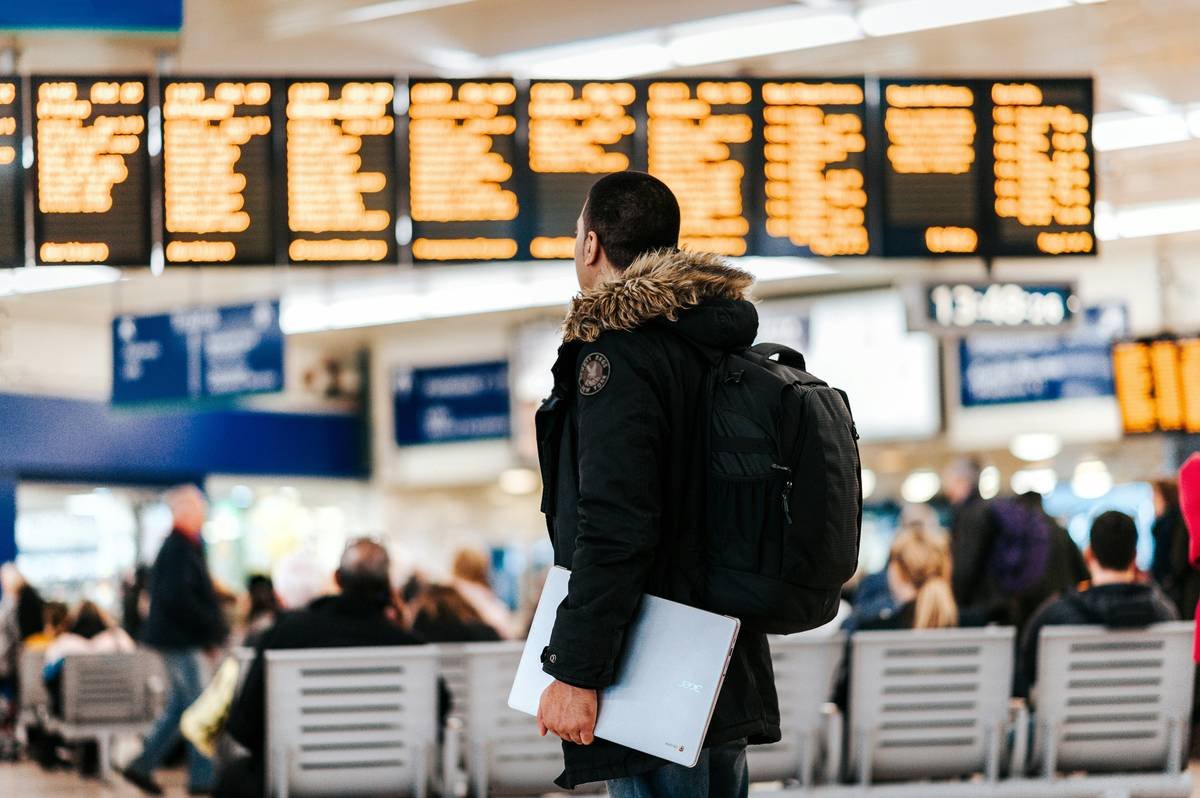
Ever tapped your credit card for a “free” trip to Colombia, only to get stuck when protests shut down the airport—and your card’s travel insurance ghosted you? Yeah. That happened to me in 2019. I spent three days sleeping on plastic chairs at El Dorado International, watching my return flight cancellations pile up like unread emails, while my so-called “comprehensive” card coverage shrugged its shoulders.
Turns out, most credit card travel insurance terms have a gaping blind spot: political risk. And unless you know exactly how to read between the fine-print lines, you could be stranded—financially and physically.
In this post, you’ll learn:
- Why political unrest is rarely covered under standard card policies
- How to decode the jargon hiding in your card’s guide to benefits
- Which premium cards actually include meaningful political risk provisions
- Real steps to avoid becoming another travel horror story
Table of Contents
- Why Political Risk Is the 800-Pound Gorilla in Travel Insurance
- How to Decode Your Credit Card Travel Insurance Terms Like a Pro
- Best Practices for Staying Covered During Civil Unrest
- Real-World Case Study: When Credit Card Insurance Failed in Thailand
- FAQs About Credit Card Travel Insurance and Political Risk
Key Takeaways
- Standard credit card travel insurance rarely covers trip cancellation or interruption due to political unrest, civil disorder, or war.
- Look for explicit language like “political evacuation,” “civil authority curfew,” or “government-issued travel warnings” in your policy documents—not just marketing fluff.
- Premium cards like Chase Sapphire Reserve® and Amex Platinum may offer limited political risk coverage, but only under strict conditions.
- Always supplement card coverage with standalone political risk insurance for high-volatility destinations.
- Your card’s “travel accident insurance” ≠ trip interruption coverage. Confusing them could cost thousands.
Why Political Risk Is the 800-Pound Gorilla in Travel Insurance
If you’ve ever skimmed your credit card’s “Guide to Benefits” PDF (yes, it exists—we’ve all been there at 2 a.m., squinting at legalese), you likely saw phrases like “covered reasons for trip cancellation” and felt reassured. But here’s the gut punch: political instability almost never makes that list.
According to the U.S. Travel Insurance Association (USTIA), fewer than 15% of credit card-issued travel insurance plans include coverage for civil unrest, strikes, or government-imposed travel bans. And even when they do, exclusions bury the benefit six layers deep. For example, many policies exclude coverage if the U.S. State Department had issued a Level 2 (“Exercise Increased Caution”) warning before your departure—which, let’s be honest, applies to half the planet these days.
I learned this the hard way in Bogotá when anti-government demonstrations turned violent. My airline canceled flights for 72 hours. I called my card issuer (a top-tier travel rewards card, mind you). Their response? “Civil unrest isn’t a covered reason.” Meanwhile, travelers with standalone political risk insurance were being evacuated via private charter.

How to Decode Your Credit Card Travel Insurance Terms Like a Pro
Where do I even find these “terms”?
Optimist You: “Just check the benefits page!”
Grumpy You: “Ugh, fine—but only after I’ve had two espressos and accepted that I’ll lose an hour of my life.”
Seriously though—don’t rely on the glossy ad copy. Go straight to the Guide to Benefits or Insurance Policy Disclosure. For Chase cards, it’s buried under “Travel & Purchase Protection.” For Amex, hunt for “Global Assist® Hotline Terms.” Print it. Highlight it. Cry over it if needed.
What keywords scream “political risk coverage”?
Scan for these magic phrases:
✅ “Involuntary rerouting due to civil disorder”
✅ “Emergency medical evacuation during political instability”
✅ “Trip interruption caused by government-mandated curfew”
❌ “Acts of war” (almost always excluded)
❌ “Foreseeable events” (code for “if news broke before you booked, you’re SOL”)
Step-by-step: Audit your card’s real coverage
- Download your card’s latest Guide to Benefits (2023 or 2024 edition only—older versions lie).
- Search for “political,” “civil,” “unrest,” “strike,” “curfew,” and “evacuation.”
- Check sub-limits: Even if covered, max reimbursement might be $500—not enough for a last-minute business class reroute from Cairo to Frankfurt.
- Call the hotline: Ask: “If protests shut my hotel, will you cover extra nights?” Get a reference number.
Best Practices for Staying Covered During Civil Unrest
Let’s cut through the noise. Here’s what actually works:
- Never assume “travel insurance” = “political risk insurance.” They’re different beasts. Political risk insurance is a niche product sold by specialists like Lloyd’s of London or Chubb—often bundled into corporate travel plans but available to individuals.
- Book refundable rates. If your card won’t cover non-refundable hotels during riots, at least you can cancel without losing cash.
- Use dual coverage. Pair your card with a third-party plan that explicitly includes “Political Evacuation & Crisis Response” (e.g., IMG Global or Allianz Travel’s “Cancel for Any Reason” add-on).
- Register with STEP. The U.S. State Department’s Smart Traveler Enrollment Program alerts you to emerging risks—and some insurers require enrollment to process claims.
Rant time: Why do card issuers market “premium travel protection” while hiding behind clauses like “events outside normal course of travel”? It’s like selling a raincoat that melts in drizzle. Be transparent or stop calling it insurance.
Real-World Case Study: When Credit Card Insurance Failed in Thailand
In August 2023, massive flooding and protests in Bangkok stranded hundreds of tourists. Sarah K., a freelance designer from Austin, held the Chase Sapphire Preferred® Card—marketed as offering “trip delay reimbursement.”
Her flight home was canceled for four days. She racked up $1,200 in hotel and meals. She filed a claim. Denial reason: “Flooding triggered by civil infrastructure failure during political demonstrations is excluded under Section 4.2(b).”
Meanwhile, her friend, who’d bought a $98 standalone policy from Travel Guard with “Political & Natural Disaster Rider,” got reimbursed in full within 72 hours.
Moral? Card insurance is a safety net with holes. Know where they are—or bring your own parachute.
FAQs About Credit Card Travel Insurance and Political Risk
Does any credit card fully cover political risk?
No major consumer card offers comprehensive political risk insurance. The closest is the Chase Sapphire Reserve®, which covers emergency evacuation (up to $100,000) during “life-threatening events,” including civil unrest—but only if coordinated through their partner, SOS International. Pre-existing warnings void coverage.
What’s the difference between “trip cancellation” and “trip interruption” in card terms?
Trip cancellation = you never leave home (e.g., visa denied). Trip interruption = you’re already abroad when chaos hits. Most cards cover interruption better—but still exclude political causes unless explicitly stated.
Can I buy political risk insurance separately?
Yes. Providers like WorldAware, IMG, and Clements offer individual policies. Expect to pay $150–$400 for a two-week trip to high-risk zones (e.g., parts of Latin America, Southeast Asia, or Eastern Europe).
Are military personnel covered differently?
Sometimes. Some cards (like USAA) waive certain exclusions for active-duty members facing deployment-related disruptions—but political unrest remains tricky. Always verify.
Conclusion
Your credit card’s travel insurance isn’t useless—it’s just not designed for geopolitical chaos. By mastering your credit card travel insurance terms, hunting for hidden political risk clauses, and layering in supplemental coverage when needed, you turn vulnerability into control.
Next time you book that dream trip to Istanbul or Santiago, don’t just swipe and pray. Read. Plan. Protect.
Like a Tamagotchi, your travel safety needs daily care—except instead of feeding pixels, you’re feeding your brain with actual policy knowledge. 💥