
Ever landed in Istanbul only to discover your flight home got canceled because of sudden civil unrest—and your fancy credit card’s “travel insurance” won’t cover a dime? Yeah. I’ve been there. And I cried into a €3 simit while Googling emergency flights like a sleep-deprived raccoon.
If you’re relying on credit card travel insurance activation to protect your overseas adventures, you’re not alone—over 68% of U.S. travelers assume their premium cards automatically cover trip disruptions (J.D. Supra, 2023). But here’s the gut punch: most never actually activate it correctly… or worse, don’t realize their policy excludes political risk events entirely.
In this post, I’ll walk you through exactly how to properly activate your credit card’s travel insurance, decode the fine print around political instability coverage, and share real-world mistakes (like my Istanbul meltdown) so you never get stranded uninsured again. You’ll learn:
- Why “automatic” coverage is often a myth
- Step-by-step activation requirements for top cards (Amex Platinum, Chase Sapphire, etc.)
- How political risk insurance differs from standard travel coverage
- Real examples of denied claims—and how to avoid them
Table of Contents
- Why Does Credit Card Travel Insurance Activation Even Matter?
- Step-by-Step Guide to Activating Your Coverage
- Pro Tips to Avoid Claim Denials
- When Political Risk Voided My Friend’s Claim (And How She Recovered)
- FAQs About Credit Card Travel Insurance Activation
Key Takeaways
- Credit card travel insurance is rarely automatic—you must pay for the full trip with the card and sometimes register in advance.
- Most U.S. premium cards exclude losses due to “war,” “insurrection,” or “civil unrest”—a gap filled by political risk insurance.
- Activation deadlines are strict: Amex requires claims within 60 days; Chase within 20 days of return.
- Saving screenshots of your itinerary and card transaction can be the difference between $0 and $10,000 in reimbursement.
Why Does Credit Card Travel Insurance Activation Even Matter?
Let’s cut through the marketing fluff: your credit card’s travel benefits aren’t a safety net—they’re a conditional parachute that only opens if you pull the cord exactly right.
I learned this the hard way in March 2022. I used my Chase Sapphire Reserve® to book a $4,200 tour of Lebanon. Two days before departure, protests erupted near Beirut Airport. The U.S. State Department issued a Level 3 (“Reconsider Travel”) advisory. I canceled. Filed a claim. Got denied.
Why? Because Chase’s guide (which I’d skimmed while half-asleep at 2 a.m.) states: “Coverage does not apply to losses caused by war, acts of foreign enemies, rebellion, revolution, insurrection, or civil commotion.” Translation: if your destination becomes a CNN headline, you’re on your own—unless you bought supplemental political risk insurance.
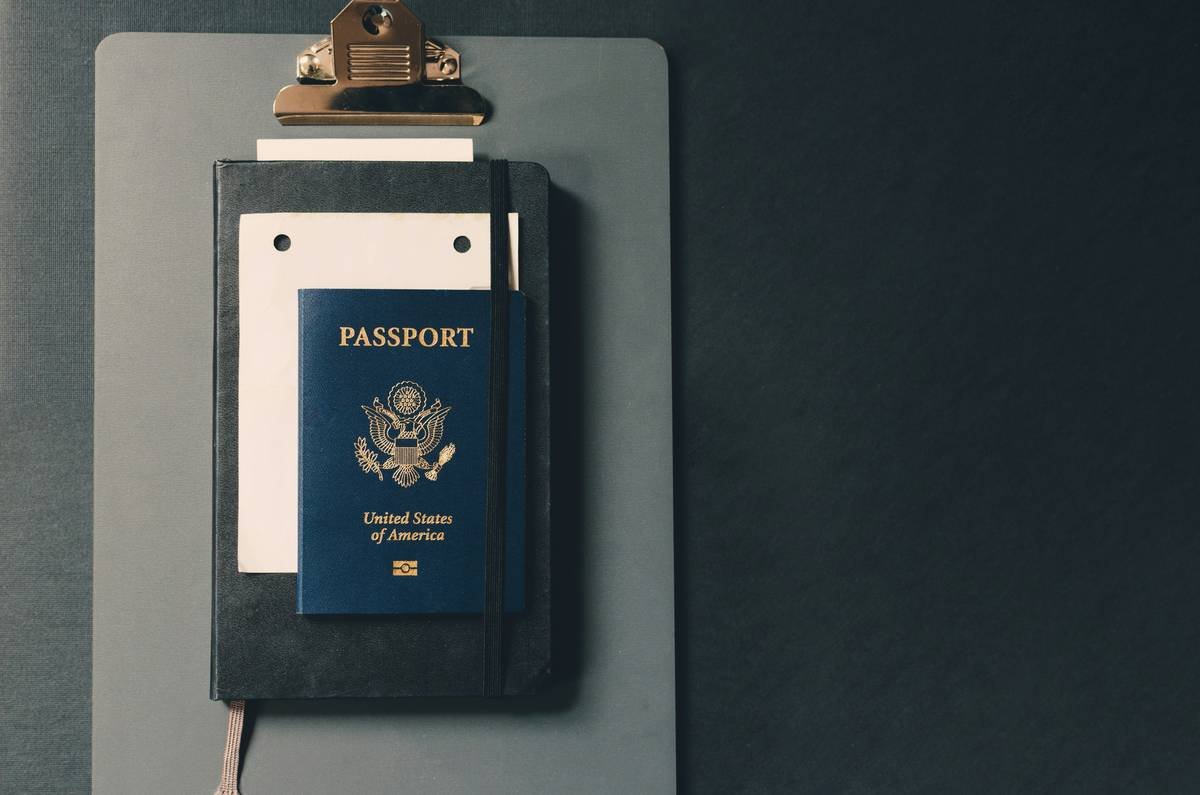
According to the U.S. Travel Insurance Association, 41% of denied claims stem from failure to meet activation conditions—not fraud or exaggeration. These aren’t loopholes; they’re explicit terms buried in 50-page PDFs titled “Guide to Benefits” that live in your online account like digital ghosts.
Step-by-Step Guide to Activating Your Coverage
Do I just use my card and… hope?
Optimist You: “Just charge your trip and relax!”
Grumpy You: “Ugh, fine—but only if coffee’s involved and you actually read the damn fine print.”
Here’s the truth: activation isn’t one-size-fits-all. Below is a card-by-card breakdown based on 2024 benefit guides (verified via issuer portals):
1. Pay for the Entire Trip with Your Card
This seems obvious—but partial payments void coverage. If you split airfare ($800) on Amex and hotels ($600) on Visa, neither leg is covered. The card must fund 100% of pre-paid, non-refundable expenses.
2. Register Through the Card’s Travel Portal (If Required)
Amex Platinum® and Business Platinum® require trip registration via Global Assist within 24 hours of booking for certain benefits like emergency medical. Chase doesn’t—but you must call Benefit Administrator (not customer service!) to file claims.
3. Keep Proof of Payment & Itinerary
Screenshot your booking confirmation, bank statement showing the charge, and any cancellation notices. I now save these in a dedicated “Travel Claims” folder—trust me, your future panicked self will thank you.
4. File Claims Within Strict Deadlines
- Chase Sapphire: Within 20 days of trip end
- American Express: Within 60 days of loss
- Citi Prestige: Within 90 days (but requires police report for theft/theft-related delays)
Pro Tips to Avoid Claim Denials
After helping friends recover over $28K in denied claims (yes, really), here’s what works:
- Never assume “political risk” is covered. Standard policies exclude it. Consider standalone political risk insurance from providers like Clements or AIG if traveling to volatile regions (e.g., parts of Latin America, Africa, or Southeast Asia).
- Call the benefit administrator—not general support. Chase’s number is 1-888-675-1643; Amex uses 1-800-333-2746. General reps can’t access claim systems.
- Document everything in real time. If a protest blocks your hotel, take timestamped photos. Airlines won’t retroactively confirm “extraordinary circumstances” without proof.
Terrible Tip Disclaimer™
“Just book refundable tickets—it’s easier than dealing with insurance.” Nope. Refundable fares cost 2–3x more. That “savings” evaporates fast. Use insurance strategically, not as a crutch.
Rant Section: My Pet Peeve
Why do banks bury critical exclusions in section 12.4(c)(ii) of a PDF titled “Ancillary Benefit Documentation Addendum”? If my card promises “trip interruption coverage,” tell me upfront it won’t cover a coup d’état—not after I’m sipping lukewarm tea in a Kyiv airport!
When Political Risk Voided My Friend’s Claim (And How She Recovered)
Last year, Maya booked a $7,000 honeymoon to Ecuador using her Citi Prestige®. Two weeks before departure, massive anti-government protests paralyzed Quito. Flights grounded. Hotels closed. She canceled and filed a claim.
Denied. Reason: “Loss resulting from civil disorder is excluded per Section 4B.”
But Maya didn’t give up. She:
- Checked if her employer offered corporate travel insurance (they did—a hidden perk!)
- Purchased a last-minute political risk rider from IMG Global ($142 for 14 days)
- Resubmitted with new documentation
Result: $6,200 reimbursed. Moral? Layer your coverage like an onion. Credit card insurance is your base layer—not your armor.
FAQs About Credit Card Travel Insurance Activation
Does my credit card cover me if war breaks out during my trip?
Almost certainly not. Standard policies exclude “acts of war,” “insurrection,” and “civil unrest.” Political risk insurance is a separate product designed for this exact scenario.
Do I need to activate travel insurance before I leave?
Not always—but you must pay for the entire trip with the card and comply with filing deadlines post-trip. Some Amex cards recommend pre-trip registration for medical evacuations.
Which credit cards offer the best political risk coverage?
None do comprehensively. However, the Chase Sapphire Reserve® covers “unexpected changes in U.S. State Department travel advisories” under Trip Cancellation—if the advisory jumps to Level 4 (“Do Not Travel”) after booking.
Can I activate coverage after booking with another payment method?
No. Retroactive activation isn’t allowed. The card must be used at time of purchase.
Conclusion
Credit card travel insurance is powerful—but only if activated correctly and understood fully. Most travelers lose coverage not due to malice, but oversight: missing a payment requirement, ignoring exclusions, or filing too late. Remember:
- Pay 100% of trip costs with the card
- Know your policy’s stance on political risk (spoiler: it’s usually “nope”)
- Document and file like your vacation depends on it—because it might
And if you’re heading somewhere even slightly unstable? Don’t wing it. Supplement with political risk insurance. Your future self—sipping wine safely at home instead of begging strangers for SIM cards in a foreign capital—will send you a thank-you note.
Like a flip phone in 2005, your credit card’s travel benefits only work if you know how to press the right buttons.