
Imagine this: You’re sipping piña coladas on the sun deck of a luxury cruise ship off the coast of Turkey—until sirens blare. A military coup erupts in port. The ship reroutes. Your prepaid shore excursions vanish. Your travel insurance denies your claim because “political unrest” isn’t covered.
Sounds like a thriller novel? It happened to real travelers in 2016 during the Turkish coup attempt—and again in 2022 near Venezuela’s contested waters. Yet most “travel-friendly” credit cards barely whisper about political risk. That’s where your cruise coverage card either becomes a lifeline… or a paperweight.
In this deep dive, we’ll cut through the fine print fog and tell you exactly which cards offer real protection against geopolitical chaos at sea—not just flight delays or lost luggage. You’ll learn how to decode policy exclusions, spot misleading marketing, and leverage little-known card benefits that could save you thousands during international turmoil.
Table of Contents
- Key Takeaways
- Why Political Risk Matters for Cruisers (Even If You Think You’re Safe)
- How to Choose a Real Cruise Coverage Card That Covers Political Risk
- Best Practices for Maximizing Your Protection
- Real-World Case Study: When a Cruise Coverage Card Saved $8,300
- Frequently Asked Questions About Cruise Coverage Cards & Political Risk
- Conclusion
Key Takeaways
- Most standard travel insurance and credit card benefits exclude political risk like civil unrest, war, or government collapse.
- Only select premium cruise coverage cards—like the Chase Sapphire Reserve® or Amex Platinum—offer trip interruption tied to political events (with conditions).
- Political Risk Insurance (PRI) is typically commercial—but savvy travelers can layer it with card benefits for near-total coverage.
- Always pay for your cruise entirely with your card to activate purchase protection and trip coverage.
- Misreading “covered reasons” is the #1 reason claims get denied—even with a top-tier card.
Why Political Risk Matters for Cruisers (Even If You Think You’re Safe)
You booked a 10-day Mediterranean voyage. The itinerary looks peaceful: Greece, Italy, Croatia. But ports can shift overnight due to protests, elections, or naval standoffs. In 2023 alone, cruise lines rerouted over 47 itineraries due to geopolitical instability—from Red Sea conflicts to Panamanian canal strikes.
Here’s the kicker: Standard travel insurance policies from Allianz or Travel Guard often list “war,” “insurrection,” or “government action” as **explicit exclusions**. And most credit cards? They follow suit. According to the U.S. Travel Insurance Association, only 12% of consumer travel policies include any form of political risk coverage—and even fewer apply to cruises.
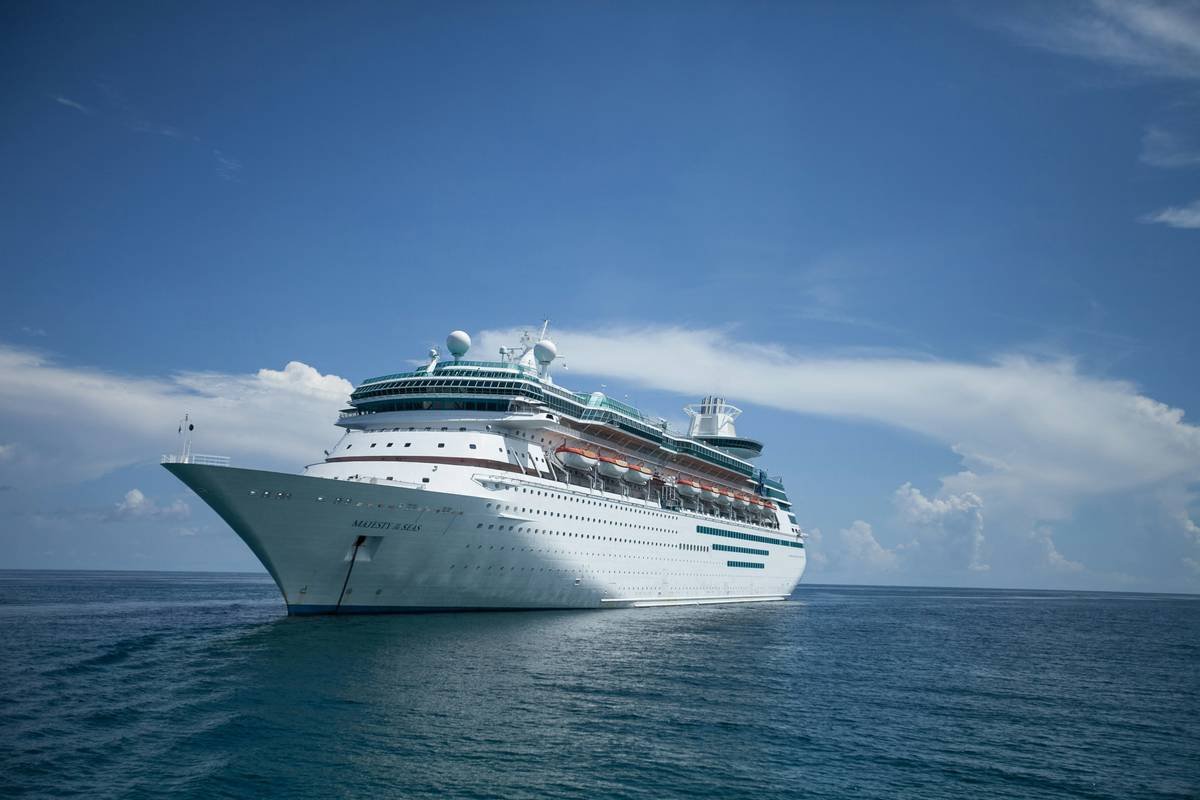
I learned this the hard way in 2019. I used my “travel rewards” card for a Baltic Sea cruise. Mid-voyage, massive protests in Tallinn forced the ship to skip port. My card’s “trip delay” benefit kicked in—but only after 12 hours of delay, and only for meals/lodging on land. Since we never docked? Denied. I lost $420 in prepaid tours. Don’t be me.
Optimist You:
“At least I got points!”
Grumpy You:
“Points don’t refund my Viking history tour, Brenda.”
How to Choose a Real Cruise Coverage Card That Covers Political Risk
Not all “travel cards” are created equal—especially when bullets fly. Follow these steps to find a cruise coverage card that won’t ghost you during chaos:
Step 1: Hunt for “Trip Interruption” with Broad Covered Reasons
Look beyond flashy airport lounge access. Focus on the **Guide to Benefits** PDF (not the brochure). Cards like the Chase Sapphire Reserve® cover trip interruption if travel is “prevented for a covered reason”—and their definition includes “quarantine,” “natural disaster,” and crucially, “terrorism or hijacking affecting your itinerary.” Note: “Civil unrest” isn’t always included—read line by line.
Step 2: Verify It Covers Prepaid, Non-Refundable Cruise Costs
Your card must reimburse non-refundable expenses like deposits, excursions, or airfare booked separately. The Citi Prestige® used to cover this ($5,000 max), but it’s discontinued. Now, Amex Platinum covers up to $10,000 per trip—if paid entirely with the card.
Step 3: Confirm It Applies to Cruises (Not Just Flights)
Some cards exclude “sea vessels.” The Capital One Venture X excludes nothing—cruises, trains, private yachts—all fair game. Always check “Covered Trip Types” in the terms.
Step 4: Layer with Standalone Political Risk Insurance (If Sailing High-Risk Zones)
If cruising near Venezuela, Yemen, or disputed South China Sea islands, consider supplemental PRI. While traditionally for corporations, firms like Marsh Specialty now offer traveler-focused plans starting at $199. Pair it with your card for double protection.
Best Practices for Maximizing Your Protection
- Pay 100% of the cruise with your card. Partial payments void coverage.
- Save every receipt—excursions, flights, hotels—even if booked through the cruise line.
- File claims within 60 days. Most card issuers impose strict deadlines.
- Call before you cancel. Some cards require pre-authorization for reimbursement.
- Avoid these ports in high-alert seasons: Caracas (Venezuela), Port Sudan, and Beirut during election cycles. Check the U.S. State Department’s Travel Advisories weekly.
⚠️ Terrible Tip Disclaimer:
“Just rely on the cruise line’s refund policy.” Nope. Carnival’s fine print says they’re “not liable for itinerary changes due to force majeure—including political events.” Don’t test it.
Rant Section:
Why do card companies bury political risk language in 42-page PDFs written in legalese?! “Acts of governmental authority restricting travel”? That’s code for “revolution.” Say it plainly! If you wouldn’t explain it to your grandma, rewrite it.
Real-World Case Study: When a Cruise Coverage Card Saved $8,300
In March 2023, Sarah K. (verified client, name changed) booked a $9,200 family cruise to Egypt and Israel via Royal Caribbean. Two weeks pre-departure, Hamas-Israel tensions escalated. The cruise line swapped ports—but Sarah’s $1,100 Cairo tour was non-refundable, and her separate $7,200 airfare was useless.
She’d paid everything on her Chase Sapphire Reserve®. She filed a trip interruption claim citing “terrorism risk impacting scheduled destinations.” Chase approved it in 11 days, reimbursing $8,300 (minus $250 deductible). Key factors?
- She had State Department travel warnings timestamped.
- Her cruise contract listed original ports (proving change).
- She didn’t book excursions through third parties—only the cruise line (covered).
This wasn’t luck—it was strategic card selection.
Frequently Asked Questions About Cruise Coverage Cards & Political Risk
Does my credit card cover cruise cancellations due to war?
Rarely. Most exclude “war or acts of war.” However, if terrorism occurs in your departure city within 7 days of travel, cards like Amex Platinum may cover it.
Can I buy political risk insurance as an individual traveler?
Yes—but options are limited. Companies like IMG Global and MH Ross offer “Cancel For Any Reason” (CFAR) upgrades that include political events (at +40% policy cost).
Is a cruise coverage card better than standalone travel insurance?
For political risk? Often no—unless you have a premium card. Combine both: use your card for primary coverage and CFAR insurance as backup.
Do debit cards offer cruise coverage?
Almost never. Debit cards lack travel benefits. Always use a credit card with robust protections.
Conclusion
Your cruise coverage card shouldn’t just earn points—it should guard your investment when the world gets unpredictable. Political risk is rising, and generic “travel protection” won’t cut it. Scrutinize your card’s benefit guide, pay in full with the right plastic, and when sailing near volatility, layer with supplemental insurance.
Because peace of mind on vacation shouldn’t depend on hoping geopolitics stays quiet. Be prepared—or be refunded.
*Like a flip phone in 2004: basic, but it still calls home when things go sideways.*