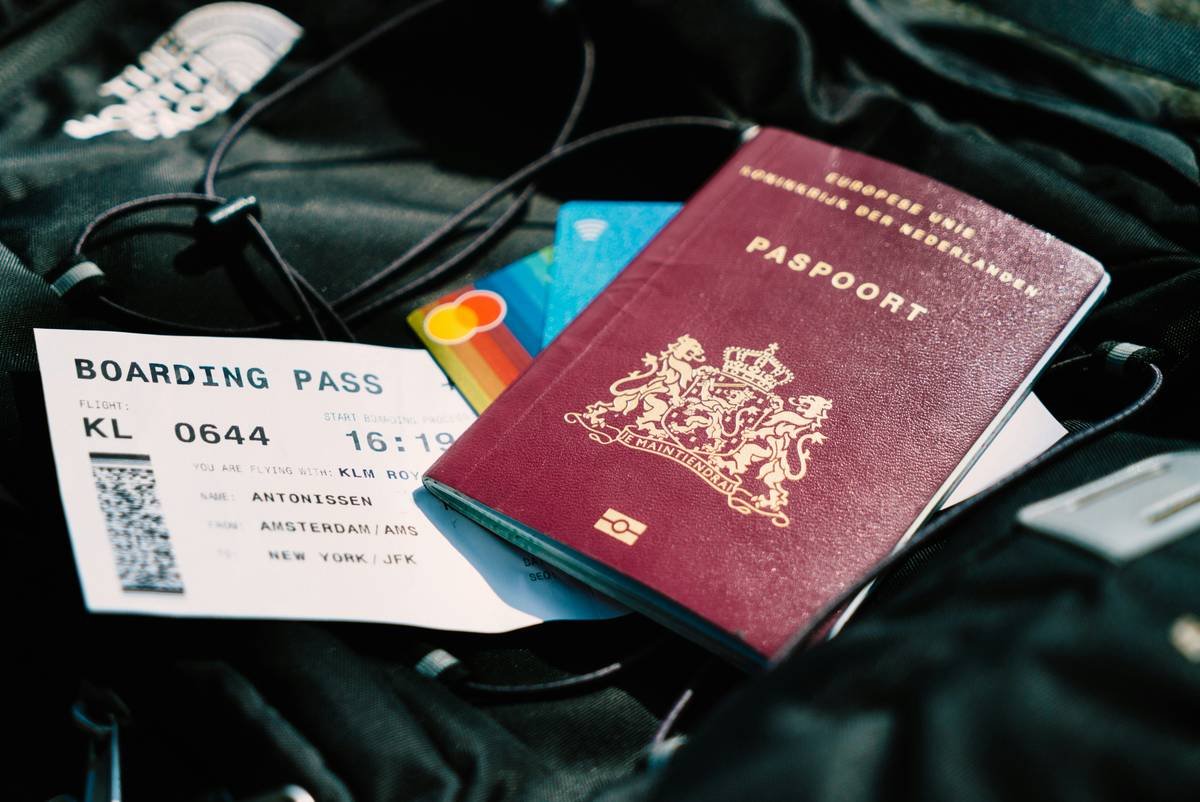
Ever filed a travel insurance claim only to be told, “Sorry—you didn’t meet your cardholder duties”? Yeah. That sinking feeling hits like your flight gets canceled during peak hurricane season… while you’re already in the airport lounge scrolling through Amex Fine Hotels & Resorts offers.
If you carry a premium travel credit card—Chase Sapphire Reserve®, Capital One Venture X, or Amex Platinum®—you likely get complimentary travel insurance. But here’s the dirty secret no one tells you: that coverage isn’t automatic. You’ve got duties as the cardholder. Miss one, and your “fully covered” trip might leave you holding a $5,000 hospital bill in Bali.
In this post, we’ll unpack the exact credit card travel insurance cardholder duties you must follow—including how political risk events (like coups, civil unrest, or sudden border closures) factor into claims. You’ll learn what triggers coverage, how to avoid common pitfalls, and real-world examples where travelers lost out by skipping a single step.
Table of Contents
- Why Do Credit Card Travel Insurance Cardholder Duties Even Exist?
- Step-by-Step: How to Fulfill Your Cardholder Duties Correctly
- 5 Best Practices to Keep Your Coverage Intact (Even During Political Chaos)
- Real Claims: When Cardholder Duties Made—or Broke—the Payout
- FAQs About Credit Card Travel Insurance & Political Risk
Key Takeaways
- Credit card travel insurance is secondary—it only pays after primary insurance (like health or trip insurance) denies or exhausts coverage.
- You must pay for your entire trip with the eligible card to activate most protections (exceptions exist—check your Guide to Benefits).
- Political risk events (e.g., war, insurrection, government collapse) are covered under “trip cancellation/interruption” if they meet policy thresholds.
- Failing to notify your card issuer within required timeframes (often 60–90 days) voids your claim.
- Always file a police report for theft/damage abroad—it’s non-negotiable for reimbursement.
Why Do Credit Card Travel Insurance Cardholder Duties Even Exist?
Let’s be real: credit card issuers aren’t charities. They bundle travel insurance as a perk to lure high-spenders—but they protect themselves with fine print thicker than your passport after 10 stamps.
Your “cardholder duties” are contractual obligations outlined in your card’s Guide to Benefits (not the marketing brochure!). These rules ensure you’re not gaming the system—like booking a refundable ticket with cash, then claiming trip cancellation after deciding last-minute not to go.
Here’s where it gets spicy: political risk insurance—typically a niche product for multinational corporations—is partially embedded in premium cards’ trip interruption coverage. If a coup erupts in Bangkok the day before your flight, and the U.S. State Department issues a Level 4 “Do Not Travel” warning, you might qualify for reimbursement… if you paid with your card and notified your issuer promptly.

According to the U.S. Travel Insurance Association (USTIA), nearly 30% of denied claims stem from failure to meet cardholder duties—not exclusions. That’s not bad luck. That’s preventable.
Step-by-Step: How to Fulfill Your Cardholder Duties Correctly
Did you pay for the trip using your eligible credit card?
Optimist You: “Of course I did—I booked everything on my Sapphire Reserve!”
Grumpy You: “Ugh, except that $85 Airbnb cleaning fee I paid via PayPal ‘for convenience.’”
Newsflash: Most cards require you to pay for the entire prepaid, non-refundable portion of your trip with the card. Split payments? Covered only proportionally. Paid flights with points? Coverage may still apply if taxes/fees were charged to the card—but verify with your issuer.
Did you experience a covered loss?
“Covered loss” isn’t just “my plans changed.” It means death, illness, jury duty, or—critically—political evacuation orders. Cards like Chase Sapphire define this as:
- Natural disaster rendering your destination uninhabitable
- Terrorist incident within 30 days of arrival at your destination
- Government-issued travel warning due to civil unrest, war, or insurrection
But—and this is huge—the event must occur after you purchased your trip. Book a tour to Sudan in January 2023? Sorry, but the April 2023 conflict won’t count—you should’ve known the risks.
Did you notify your card issuer within the deadline?
Chase gives you 90 days. Amex? Just 60. Capital One? 120. Miss it, and your claim evaporates. Set a phone reminder the moment disruption hits.
Did you submit complete documentation?
This means:
- Itemized bills (not just receipts)
- Doctor’s notes (with diagnosis and treatment dates)
- Police reports for stolen luggage (yes, even in Paris)
- Official government advisories (screenshot the State Department page with URL + date)
5 Best Practices to Keep Your Coverage Intact (Even During Political Chaos)
- Read your Guide to Benefits before booking—not during a crisis. Search “[Your Card Name] Guide to Benefits PDF.”
- Never assume “travel insurance” = medical coverage abroad. Most cards exclude routine care; emergency evacuation is often capped at $100K.
- Save every email confirmation, including hotel change policies. “Non-refundable” is key—if it’s refundable, insurers won’t pay.
- Contact your issuer before canceling. Some require pre-approval for trip interruption claims.
- For political risk events, cite official sources: U.S. State Department, WHO, or local embassy—not CNN or Twitter rumors.
Real Claims: When Cardholder Duties Made—or Broke—the Payout
Case 1: The Istanbul Evacuation Win
Sarah booked a $4,200 Turkey tour on her Amex Platinum in March 2023. In May, massive anti-government protests erupted. The State Department issued a Level 3 warning (“Reconsider Travel”). Sarah:
- Notified Amex within 48 hours
- Submitted screenshots of the advisory
- Provided proof she’d paid 100% with her card
Result: Full reimbursement minus $250 deductible.
Case 2: The Split-Payment Disaster
Mark paid $2,000 in flights with his Venture X but used a different card for his $1,500 hotel deposit. After a coup in Niger forced cancellation, Capital One reimbursed only $1,333 (66% of total cost). His mistake? Assuming partial payment = full coverage.
My Confessional Fail: In 2019, I lost $1,200 on a canceled Peru trek because I filed my claim 92 days post-trip. Chase’s limit? 90. Sounds like your laptop fan during a 4K render—whirrrr—right into the void.
FAQs About Credit Card Travel Insurance & Political Risk
Does credit card travel insurance cover war or terrorism?
Yes—but only if the event occurs after you book and is officially recognized (e.g., State Department alert). Pre-existing conflicts? Excluded.
What if I use points/miles to book my trip?
Most cards (like Chase) still cover you if government-imposed taxes/fees were charged to the card. Always confirm with your issuer first.
Is political risk insurance the same as credit card coverage?
No. Standalone political risk insurance (used by businesses) covers asset seizure, contract frustration, and currency inconvertibility. Cards only cover trip costs—not business losses.
Can I get coverage if I cancel due to fear of unrest?
No. “Fear” isn’t a covered reason. You need an official advisory or physical inability to travel (e.g., airport closure).
Do I need to call the assistance line before seeking medical care?
For emergencies: No—get help first. But you must contact the card’s travel assistance within 24–48 hours to coordinate billing.
Conclusion
Your credit card’s travel insurance is a powerful safety net—but only if you honor your credit card travel insurance cardholder duties. Pay with the right card, document relentlessly, act fast, and lean on official sources during political turmoil. Ignore these steps, and you’re not “unlucky”—you’re uninsured.
Like a Tamagotchi, your claim needs daily care: feed it receipts, water it with deadlines, and don’t let it die from neglect.
Haiku:
Card pays for your flight,
Chaos strikes—duties fulfilled?
Reimbursement bright.