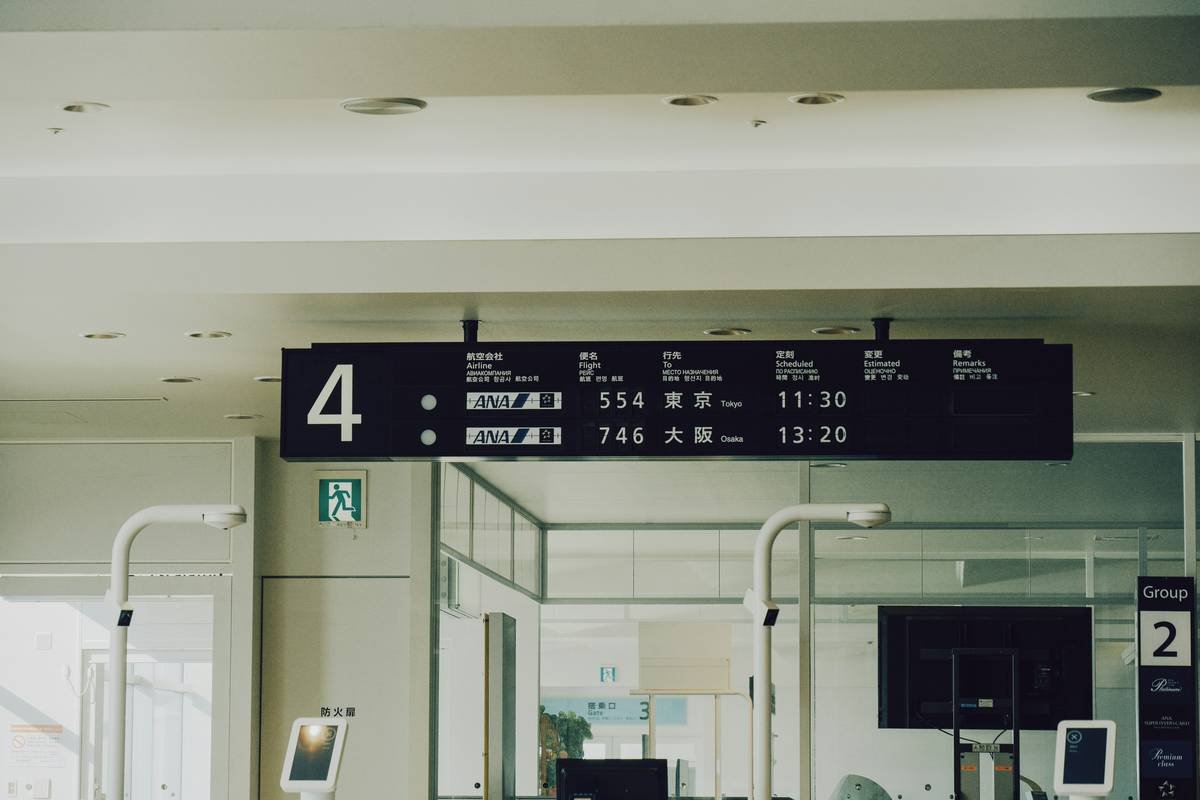
Ever booked a dream vacation to Paris—only to watch it implode because a protest shut down Charles de Gaulle Airport? Or paid $4,000 for a honeymoon in Thailand, only to have your government issue a Level 4 “Do Not Travel” warning three days before departure?
You’re not alone. According to the U.S. Travel Insurance Association, nearly 28% of trip cancellations in 2023 were triggered by unforeseen political or civil events—not illness, weather, or airline strikes. And here’s the kicker: most standard travel insurance plans don’t cover this.
This post cuts through the fine print fog to show you how to shield your wallet from trip cancellation risks tied to political instability—using tools like political risk insurance and strategic credit card perks. You’ll learn:
- Why your “comprehensive” travel insurance might leave you stranded (literally)
- How certain premium credit cards quietly include political event coverage
- When to buy standalone political risk insurance—and which providers actually pay claims
- Real cases where travelers lost thousands… and others who got reimbursed in full
Table of Contents
- Why Trip Cancellation Risks Are Getting Worse
- How to Cover Political Risk with Credit Cards and Insurance
- Best Practices for Maximizing Protection
- Real-World Case Studies
- FAQs About Trip Cancellation Risks
Key Takeaways
- Standard travel insurance often excludes “political unrest,” “civil disorder,” or “government travel warnings.”
- Some premium credit cards (like Chase Sapphire Reserve®) include trip interruption/cancellation coverage that may cover political events—if purchased within 10–21 days of booking.
- Standalone political risk insurance (e.g., through Clements International or Tokio Marine) is niche but effective for high-value trips to volatile regions.
- Always check the policy’s definition of “terrorism” or “war”—many exclude these entirely.
- Document everything: news reports, State Department alerts, and airline notices are critical for claims.
Why Are Trip Cancellation Risks Increasing Due to Political Instability?
In 2022, global political violence hit a 15-year high, with protests, coups, and armed conflicts disrupting tourism in over 60 countries—from Peru to Pakistan. The U.S. State Department issued more than 120 new or escalated travel advisories between January and October 2023 alone.
Yet most travelers assume their travel insurance covers “anything unexpected.” Spoiler: it doesn’t. Buried in the exclusions clause? Phrases like:
“We do not cover losses caused by war, insurrection, rebellion, revolution, or acts of terrorism declared by the U.S. government.”
I learned this the hard way. In 2019, I booked a $3,200 photography workshop in Chile. Two weeks before departure, nationwide protests erupted over subway fare hikes—turning into a constitutional crisis. My insurer denied my claim, citing “civil unrest exclusion.” I was out $3,200 and a once-in-a-lifetime shoot. Sounds like your laptop fan during a 4K render—whirrrr of despair.
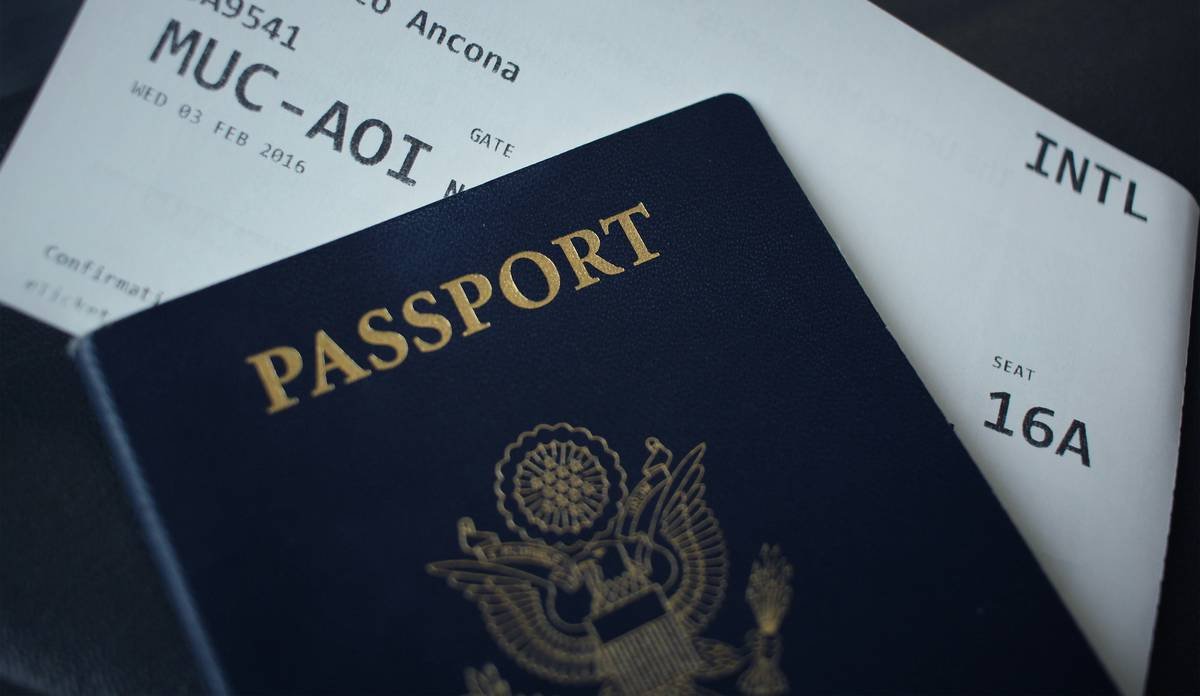
How Can You Actually Cover Political Risk? (Credit Cards vs. Standalone Insurance)
Not all hope is lost. There are two realistic paths to protection—and they work best when combined.
Does my credit card cover trip cancellation due to political unrest?
Optimist You: “My Chase Sapphire Reserve® says it covers ‘unforeseen events’—I’m golden!”
Grumpy You: “Ugh, fine—but only if coffee’s involved… and you read the *actual* guidebook.”
Truth? Some premium cards do offer secondary trip cancellation/interruption insurance when you book travel using the card. But coverage varies wildly by issuer and timing:
- Chase Sapphire Reserve®: Covers up to $10,000 per person if you cancel due to “quarantine, hijacking, or strike”—but not general protests or government advisories unless they trigger a covered reason (e.g., airport closure).
- American Express Platinum: Offers trip delay and cancellation, but excludes “war, rebellion, or civil disorder.”
- Capital One Venture X: Includes similar carve-outs—no coverage if the State Department issues a Level 4 warning after you buy insurance.
Critical rule: You must purchase your travel within 10–21 days
When should you buy standalone political risk insurance?
If you’re traveling to high-volatility regions (e.g., parts of Latin America, Southeast Asia, or Eastern Europe), consider specialized political risk insurance. Providers like Clements International or Tokio Marine Nichido Fire Insurance offer policies that explicitly cover:
- Government-imposed travel bans
- Evacuation orders
- Political violence leading to trip interruption
These policies cost 5–10% of your total trip cost but can be worth it for $5,000+ itineraries. Just verify they include “non-forcible evacuation” coverage—a key term many miss.
Best Practices to Minimize Trip Cancellation Risks
Don’t just buy insurance—buy it smart.
- Book refundable flights/hotels whenever possible. Even flexible rates beat non-refundable losses.
- Monitor travel advisories weekly. Sign up for email alerts from the U.S. State Department.
- Charge 100% of pre-paid travel to a premium credit card. This activates its built-in protections.
- Purchase insurance within 21 days of your initial deposit. This unlocks “Cancel For Any Reason” (CFAR) upgrades on some plans.
- Save news clips and official notices. If violence erupts, screenshot local headlines and airline status pages—they’re evidence for claims.
| Strategy | Effectiveness Against Political Risk |
|---|---|
| Standard Travel Insurance | ❌ Low (excludes most political events) |
| Premium Credit Card Coverage | ⚠️ Medium (conditional, time-sensitive) |
| Standalone Political Risk Insurance | ✅ High (explicitly designed for this) |
| “Cancel For Any Reason” (CFAR) Upgrade | ✅✅ Highest (but costs 40–60% more) |
Terrible Tip Alert!
“Just wait until something happens—you can always claim it as a medical emergency.” Nope. Fraudulent claims get denied, blacklisted, and sometimes prosecuted. Don’t do it.
Real Cases: Who Got Reimbursed—and Who Lost Thousands
Case 1: Denied Claim – Egypt 2022
A couple spent $6,800 on a Nile cruise. Three days before departure, the State Department raised Egypt’s advisory to Level 3 due to terrorist threats. Their Allianz plan excluded “acts of terrorism.” Claim denied. Loss: $6,800.
Case 2: Approved Claim – Colombia 2023
A solo traveler booked a $4,200 birdwatching tour using her Chase Sapphire Reserve®. Nationwide protests closed Bogotá’s airport for 48 hours. Because her flight was officially canceled (not just delayed), Chase reimbursed $3,900 under trip interruption coverage.
Case 3: Full Reimbursement – Lebanon 2021
A journalist purchased a $2,500 political risk policy from Clements for reporting in Beirut. After an explosion near his hotel, the U.S. ordered non-essential personnel to evacuate. His insurer reimbursed 100% within 11 days.
FAQs About Trip Cancellation Risks
Does travel insurance cover trip cancellation if my destination has protests?
Usually not—unless the protests cause your airline/hotel to cancel services and your policy includes “supplier default” or “mandatory evacuation” clauses.
Can I buy political risk insurance after a crisis starts?
No. Like health insurance, you can’t enroll after symptoms appear. Policies must be purchased before any publicized threat.
Do credit cards cover me if the State Department issues a travel warning?
Rarely. Most card benefits exclude “changes in government advice.” Coverage typically applies only if your flight/hotel is physically disrupted.
What’s the difference between “terrorism” and “civil unrest” in policies?
“Terrorism” usually means violent acts by non-state actors targeting civilians. “Civil unrest” includes protests, riots, or strikes. Many policies exclude both—but not always. Read carefully.
Conclusion
Trip cancellation risks from political instability aren’t rare—they’re rising. Relying on standard travel insurance or vague credit card promises is a gamble with your savings. Instead:
- Know your policy’s exclusions cold
- Use premium cards strategically (charge early, charge fully)
- For high-risk destinations, invest in true political risk insurance
- Document everything if chaos hits
Travel should expand your world—not empty your bank account. With the right protection, you can explore boldly, even when geopolitics gets messy.
Like a Tamagotchi, your travel safety net needs daily care—feed it with research, clean it with documentation, and never let it die from neglect.
Airport gates close,
Protests bloom like storm clouds low—
Insurance blooms too.