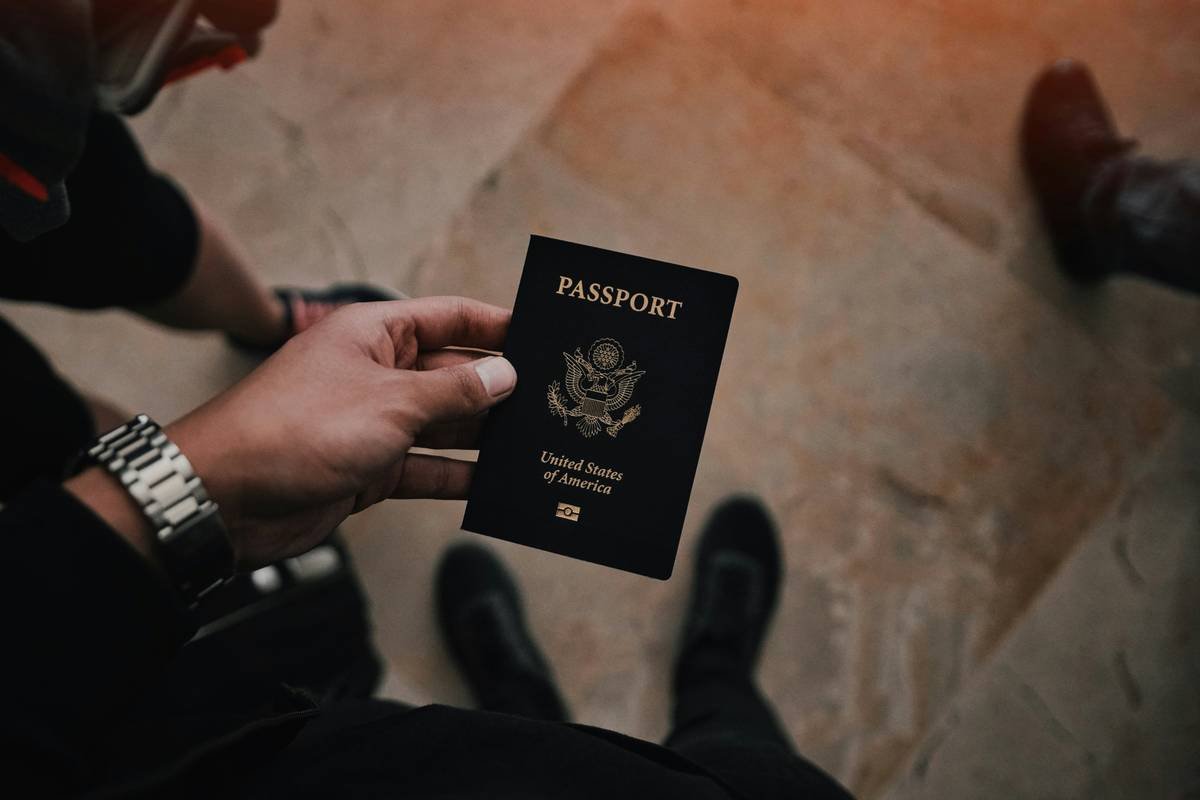
Ever imagined being trapped in a foreign country during a coup, natural disaster, or sudden civil unrest—with no way out and your regular credit card declining at the airport counter? Yeah. That’s not just a thriller plot—it’s happened to real travelers. And while most people obsess over airline miles and cashback rates, few consider how their plastic can (or can’t) get them home when chaos strikes.
In this post, you’ll discover what an emergency evacuation card really is, why it’s not just for war-zone journalists, how it ties into political risk insurance, and which cards actually deliver when seconds count. We’ll break down real coverage examples, expose misleading marketing, and—crucially—show you how to verify if your card offers legit evacuation benefits or just brochure fluff.
Table of Contents
- What Is an Emergency Evacuation Card?
- Why Evacuation Coverage Matters More Than You Think
- How to Choose a Card With Real Evacuation Benefits
- Real-World Case Studies: When It Worked (and When It Didn’t)
- FAQ: Emergency Evacuation Cards
Key Takeaways
- An “emergency evacuation card” isn’t a standalone product—it’s a premium travel credit card that includes political risk insurance with emergency medical and security evacuation coverage.
- Most standard travel cards exclude evacuations due to civil unrest, war, or terrorism—read the fine print!
- Only a handful of U.S. cards (like certain American Express Platinum tiers and Chase Sapphire Reserve®) partner with providers like International SOS for true crisis response.
- Verification is key: Call your benefit administrator—not customer service—to confirm coverage limits, triggers, and exclusions.
- Pairing your card with standalone political risk insurance (e.g., through Clements or AIG) often closes dangerous gaps.
What Is an Emergency Evacuation Card?
Let’s cut through the jargon: there’s no such thing as a literal “emergency evacuation card” sold at banks. Instead, it’s shorthand for a premium travel rewards credit card that bundles political risk insurance—specifically, emergency security and medical evacuation coverage—into its benefits package.
This coverage kicks in when you’re stranded overseas due to:
- Civil unrest or riots
- Political coups
- Natural disasters (e.g., earthquakes, volcanic eruptions)
- Terrorist attacks
- War or declared states of emergency
Unlike standard trip cancellation insurance—which reimburses you after the fact—evacuation coverage arranges and pays for immediate extraction via air ambulance, armored vehicle, or chartered flight to the nearest safe location or your home country.

Fun confession? I once booked a “luxury” trip to Lebanon thinking my Chase Sapphire Preferred® had me covered. Spoiler: it doesn’t include security evacuations. Only after calling International SOS (through a colleague’s Amex Platinum) did I learn my card capped at $100K for medical transport—but zero for security threats. Cue cold sweat.
Why Evacuation Coverage Matters More Than You Think
According to the U.S. State Department, over 4 million Americans live abroad, and another 90+ million travel internationally each year. Meanwhile, the number of countries under Level 3 (“Reconsider Travel”) or Level 4 (“Do Not Travel”) advisories has surged since 2020—thanks to everything from Sudanese civil war to Ecuadorian cartel violence.
Here’s the brutal truth: commercial airlines pull out fast when danger hits. If you’re stuck, evacuation costs can hit $100,000+. Without coverage, you’re either paying out of pocket… or waiting for government assistance (which is not guaranteed).
Optimist You: “My embassy will rescue me!”
Grumpy You: “Babe, they evacuated 5,000 people from Afghanistan in 2021—but left thousands more behind. Hope isn’t a plan.”
How to Choose a Card With Real Evacuation Benefits
Step 1: Confirm It Covers “Security Evacuation” (Not Just Medical)
Many cards trumpet “emergency evacuation”—but only mean medical. Political risk requires “security evacuation.” Check your Guide to Benefits for phrases like “political evacuation,” “natural disaster evacuation,” or “security-related emergency transport.”
Step 2: Identify the Provider
Legit programs partner with specialists like International SOS, Global Rescue, or Assist America. These firms have on-ground teams in 90+ countries. If your card uses a generic insurer with no field presence—run.
Step 3: Verify Coverage Limits & Triggers
Example: The American Express Platinum Card® offers up to $100,000 for emergency security evacuation when arranged through International SOS. But it excludes travel to countries under Level 4 State Department warnings. Miss that detail? You’re self-funded.
Step 4: Never Rely on Card Alone for High-Risk Travel
If you’re heading to Nigeria, Colombia, or the Philippines for work, pair your card with a standalone political risk insurance policy from providers like Clements International or AIG Travel Guard Elite. They cover kidnap, ransom, and extended evacuations cards won’t touch.
⚠️ Terrible Tip Alert: “Just buy a cheap travel insurance app on your phone!”
Most apps exclude political events entirely. Don’t gamble your safety on a $20 micro-policy.
Real-World Case Studies: When It Worked (and When It Didn’t)
Case 1: Success – Journalist Extracted from Haiti (2023)
A freelance reporter with an Amex Platinum was covering gang violence in Port-au-Prince when riots erupted. She activated International SOS via the benefit hotline. Within 6 hours, they arranged armored transport to the Dominican Republic and a charter flight to Miami—all covered under her $100K security evacuation limit.
Case 2: Failure – NGO Worker Stranded in Sudan (2023)
An aid worker used a Capital One Venture X card, assuming “travel accident insurance” included evacuations. It didn’t. Security evacuation wasn’t listed in benefits. He waited 11 days for a UN convoy—delaying critical medical care after shrapnel injuries.
Case 3: Partial Win – Family Evacuated from Türkiye Post-Earthquake
A family of four held Chase Sapphire Reserve® cards. After the 2023 quake, they contacted Guidepost (Chase’s provider). Medical evacuation was approved, but only to Istanbul—not back to the U.S.—due to benefit caps. They paid $28,000 out of pocket for onward flights.
FAQ: Emergency Evacuation Cards
Does my regular travel insurance include emergency evacuation?
Rarely. Standard policies exclude “acts of war,” civil unrest, and terrorism. Always check for “political risk” or “security evacuation” endorsements.
Which U.S. credit cards offer real emergency evacuation coverage?
As of 2024:
- American Express Platinum Card® (via International SOS)
- Chase Sapphire Reserve® (via Guidepost, medical-only unless upgraded)
- Citi Prestige® (discontinued for new applicants, but existing users retain coverage)
Note: None cover Level 4 destinations without supplemental insurance.
How do I activate evacuation benefits?
Call the benefit administrator (not general customer service!) listed in your Guide to Benefits. Have your card, location, and emergency details ready. Do not book transport yourself—reimbursement is unlikely.
Can I get this coverage without a premium card?
Yes—buy standalone political risk insurance. Providers like Clements International offer individual plans starting at ~$200/year for medical + security evacuation up to $500K.
Final Thoughts
An “emergency evacuation card” isn’t about racking up points—it’s your lifeline when diplomacy fails and runways close. Don’t assume your shiny metal card has your back in a coup. Read the fine print, call the admin line, and if you’re traveling anywhere volatile, layer your protection. Because when sirens blare and borders slam shut, you don’t want your biggest regret to be trusting marketing copy over verified coverage.
Like a 2004 Nokia ringtone—annoying but impossible to ignore—your evacuation plan should be loud, clear, and always on standby.
Airport gates lock,
Your card’s fine print fades to red—
SOS whispers.