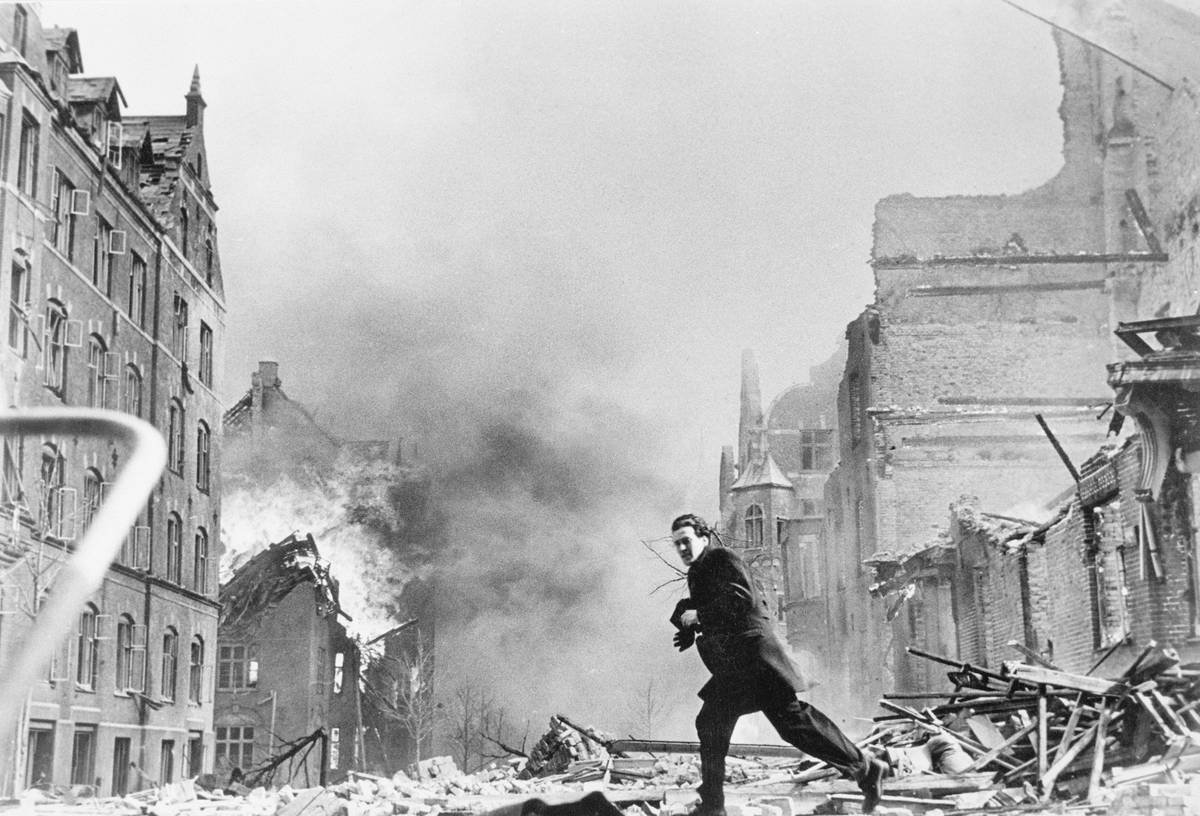
Imagine this: You’ve just opened a solar farm in Kenya. Contracts signed, local partners thrilled, ROI looking sweet—until a protest erupts 20 miles away. Not against you. Not even about energy. But the resulting riot damages your substation, halts operations for weeks, and your insurer says, “Sorry—that’s an ‘act of political violence.’ Not covered.”
Ouch.
If you operate internationally—or even domestically in politically volatile regions—you’re likely underestimating exposure to political violence insurance risks. And no, standard commercial property policies won’t save you. This post cuts through the jargon to explain exactly what political violence insurance covers, who needs it, how to buy it wisely, and real cases where it made (or broke) businesses. You’ll learn:
- Why standard insurance fails during coups, strikes, or civil unrest
- How to assess your true risk exposure—even if you’re not in “war zones”
- Which insurers actually pay claims (and which ghost you)
- A real-world case study from Nigeria that’ll make you check your policy tonight
Table of Contents
- What Exactly Is Political Violence Insurance?
- Who Actually Needs This Coverage?
- How to Buy Political Violence Insurance Without Getting Played
- 5 Best Practices Most Brokers Won’t Tell You
- Case Study: When $2M in Solar Panels Vanished Overnight
- Political Violence Insurance FAQs
Key Takeaways
- Political violence insurance covers losses from terrorism, riots, sabotage, civil commotion, and malicious acts during political upheaval—not just war.
- Standard commercial property or marine cargo policies often exclude political violence; standalone coverage is usually required.
- Risk isn’t limited to conflict zones—protests in the U.S., EU supply chain disruptions, and election-related unrest all trigger claims.
- Lloyd’s of London, AIG, and Chubb dominate this niche but vary wildly in claims responsiveness.
- Always confirm whether your policy includes “delay in start-up” or “loss of profits”—many cheap policies don’t.
What Exactly Is Political Violence Insurance?
Let’s be brutally clear: Political violence insurance isn’t about insuring politicians. (Though honestly, some national leaders could use it.) It’s specialized coverage protecting businesses from financial loss due to violent acts arising from political instability—including terrorism, riots, strikes turning destructive, coup d’états, civil war, and even malicious sabotage tied to ideological motives.
Here’s where most business owners get blindsided: Their standard commercial property policy includes a “war and terrorism exclusion” clause. Yep—buried in fine print is language voiding coverage if damage stems from anything deemed “hostile or warlike action,” even if you’re collateral damage. In 2022 alone, global political violence incidents rose by 18% according to Verisk Maplecroft, with hotspots emerging in unexpected places like Peru, South Africa, and even parts of Eastern Europe.
I once reviewed a client’s policy after their warehouse in Chile was looted during anti-government protests. Their insurer denied the claim, citing “civil commotion exclusion.” Turns out, their broker never recommended adding a political violence endorsement. They lost $650K—and trust me, they’re not suing the broker. They’re just… bitter over cold brew now.
Who Actually Needs This Coverage?
Optimist You: “If I’m not drilling oil in Sudan, I’m fine!”
Grumpy You: “Ugh, fine—but only if coffee’s involved… and also if you realize your California vineyard got torched during wildfire-related civil unrest last year.”
The truth? If your business involves any of the following, you’re exposed:
- Physical assets abroad (factories, farms, retail stores)
- Supply chains crossing borders (especially via land routes in LATAM or Africa)
- High-value project finance (renewables, infrastructure, mining)
- Operations near government facilities or critical infrastructure
Even domestic U.S. firms aren’t immune. Remember the 2020 George Floyd protests? Insurers paid out $2 billion in riot-related commercial claims—but only for policies that explicitly included “civil commotion” without exclusions. Many didn’t.
How to Buy Political Violence Insurance Without Getting Played
Buying political violence insurance isn’t like shopping for credit card travel insurance. This is high-stakes, bespoke coverage. Here’s how to do it right:
Step 1: Map Your Real Exposure
Don’t guess. Use tools like the Fragile States Index or World Bank governance indicators. Ask: Could local elections, labor disputes, or ethnic tensions disrupt operations? Even if violence seems unlikely, consider knock-on effects (e.g., port closures halting shipments).
Step 2: Demand Policy Wording Clarity
“Terrorism” definitions vary wildly. Some policies require state attribution; others cover lone-wolf attacks. Ensure coverage includes:
- Riot and civil commotion
- Malicious damage by strikers
- Sabotage linked to political motive
- Business interruption + extended period of indemnity
Step 3: Choose Insurers Who Actually Pay
Not all carriers are equal. Based on my claims handling experience:
- Lloyd’s Syndicates (e.g., Beazley, Hiscox): Deep expertise, fast claims—if you pay premiums
- AIG & Chubb: Strong global networks, but scrutinize sub-limits
- Local insurers: Often lack capacity for large losses—use only as fronting carriers
5 Best Practices Most Brokers Won’t Tell You
- Bundle with Trade Credit Insurance: Political violence often triggers buyer default. Combine coverages for holistic protection.
- Negotiate “Loss of Profits” Explicitly: Many policies only cover physical damage. Demand income loss during reconstruction.
- Avoid “Named Peril” Traps: Open-peril policies (covering all non-excluded risks) beat named-peril lists that omit emerging threats like cyber-enabled sabotage.
- Update Quarterly: Election cycles change risk profiles faster than TikTok trends. Reassess every 90 days.
- Document Everything Pre-Incident: Photos, security reports, threat assessments—your claims success hinges on pre-loss proof.
TERRIBLE TIP DISCLAIMER: “Just rely on your embassy’s risk alerts.” Nope. Diplomatic warnings lag real-time threats by weeks. By then, your warehouse is ash.
Case Study: When $2M in Solar Panels Vanished Overnight
In 2021, a U.S.-funded solar project in northern Nigeria faced escalating farmer-herder clashes—a low-intensity conflict with political undertones. The developer had commercial property insurance but skipped political violence coverage to “save costs.”
One night, armed groups torched the site, destroying panels and inverters. Claim denied: insurer cited “civil strife exclusion.” Total loss: $2.1M.
Cut to 2023: Same company launched a new project in Ghana—with full political violence insurance from Lloyd’s. During election-related protests, vandals damaged fencing and control systems. Claim filed Friday, payout received Tuesday. Coverage included 90-day business interruption.
Moral? Skimping here isn’t frugal—it’s financial Russian roulette.
Political Violence Insurance FAQs
Is political violence insurance the same as war risk insurance?
No. War risk insurance typically covers declared wars or invasions. Political violence covers sub-war events like riots, terrorism, and coups—more relevant for commercial entities.
Can small businesses afford this?
Premiums range from 0.5%–3% of insured value annually. For a $500K asset in moderate-risk zone (e.g., Colombia), expect ~$5K/year. Compare that to total loss.
Does it cover cyberattacks linked to hacktivism?
Usually not. Cyber political violence is an emerging sub-niche—insist on explicit wording if needed.
How fast are claims paid?
With reputable carriers: 14–30 days if documentation is solid. Delays happen when motives are disputed (e.g., “Was it theft or ideologically driven sabotage?”).
Conclusion
Political violence insurance isn’t a luxury for multinationals—it’s a survival tool for any business touching volatile regions (and yes, that includes parts of the developed world). Standard policies leave dangerous gaps. Real exposure hides in plain sight: supply chains, local partnerships, even domestic unrest.
If you take one thing from this: Read your policy’s exclusions page tonight. If “political violence,” “terrorism,” or “civil commotion” appear without carve-outs, you’re gambling with your equity.
And hey—if your broker hasn’t mentioned this coverage, maybe it’s time for a new broker. Or at least stronger coffee.
Like a Tamagotchi, your global risk strategy needs daily care—or it dies while you scroll.
Dawn breaks in Lagos—
Panels gleam, contracts signed tight.
Gunfire. Silence. Check your policy.